












Happiness & Success
Achieving Happiness Through Acceptance of Life
The quest for happiness often leads to frustration, as many fail to realize that the...


Indigenous stories have always been about survival, resistance, and the power of connection—to land, to community, to memory, and to future generations. Yet for too long, these vital narratives have been marginalized, misunderstood, or dismissed entirely within mainstream literary and academic circles. This groundbreaking work challenges readers to reconsider what they think they know about literature, storytelling, and the essential role that Indigenous voices play in our collective understanding of humanity.
At its heart, this exploration reveals how Indigenous literatures offer more than artistic expression—they provide crucial frameworks for understanding kinship, responsibility, and what it means to live ethically in relation to others. Readers discover that these stories carry ancient wisdom about sustainability, community care, and interconnectedness that speaks directly to the crises we face today. In a world increasingly fragmented by individualism and disconnection, Indigenous storytelling traditions offer pathways back to wholeness and meaningful relationship.
The journey begins by dismantling common misconceptions about Indigenous literatures, revealing how colonial attitudes have shaped what gets recognized as "legitimate" literature and whose stories are deemed worthy of attention. Through accessible yet rigorous analysis, readers gain insight into how power structures have historically silenced Indigenous voices and why reclaiming these narratives represents an act of cultural and spiritual renewal. This isn't merely academic theory—it's about understanding how stories shape our consciousness and influence our capacity for empathy, justice, and transformation.
Read more ▼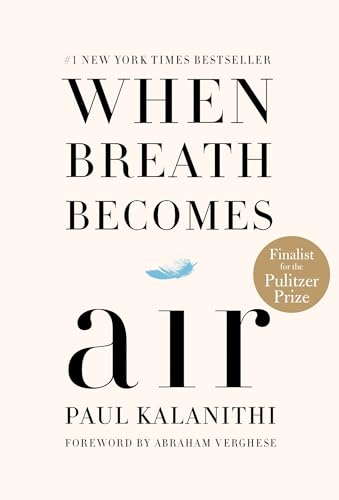
Paul Kalanithi

Emily Witt
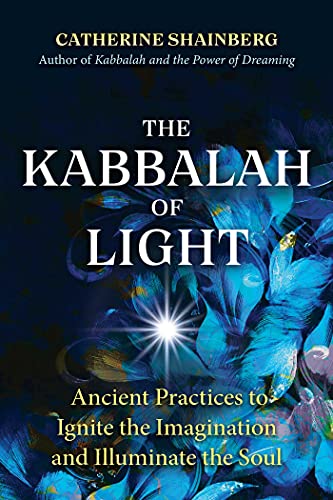
Catherine Shainberg
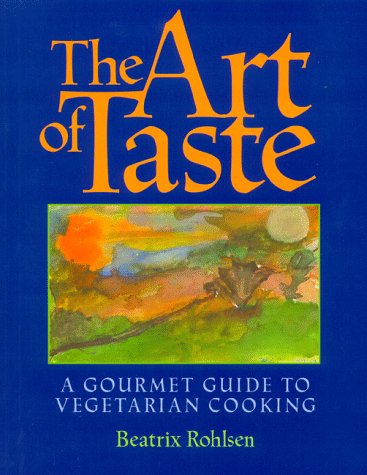
Beatrix Rohlsen
The quest for happiness often leads to frustration, as many fail to realize that the...

Reaching sixty can evoke complex emotions, blending relief with ongoing ambition. This...

The quest for life's purpose often leads to unsatisfactory answers. This article...

Have you ever argued over something that wasn't actually said? From cultural differences...

Romantic love is a complex emotion shaped by historical, cultural, and biological...

Imagine going through one of the most physically and emotionally demanding experiences...

Daily actions often conflict with personal beliefs due to past experiences. By utilizing...

Therapists often use dream interpretation to delve into patients' emotions, but true...