















Happiness & Success
Achieving Happiness Through Acceptance of Life
The quest for happiness often leads to frustration, as many fail to realize that the...

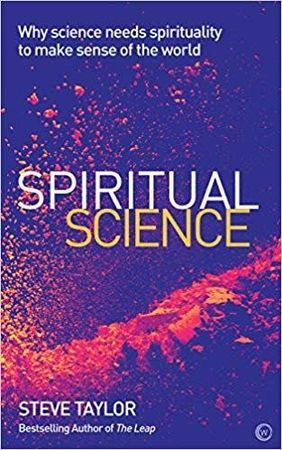
At the intersection of science and spirituality lies a revolutionary framework that challenges our most fundamental assumptions about consciousness, reality, and human potential. This groundbreaking exploration presents a paradigm that transcends the materialist worldview that has dominated Western thought for centuries, offering instead a vision of reality where consciousness is not merely a byproduct of brain activity but rather a fundamental feature of the universe itself.
The materialist paradigm has long insisted that consciousness emerges from matter, that our thoughts and experiences are nothing more than electrochemical processes in the brain, and that death represents the complete extinction of individual awareness. This perspective has profoundly shaped not only our scientific institutions but also our economic systems, our approach to career and success, and our understanding of what it means to live a meaningful life. When consciousness is seen as nothing more than biological machinery, human beings become little more than complex robots, and concepts like purpose, meaning, and spiritual fulfillment become mere illusions.
This work systematically dismantles the materialist assumption by examining evidence from multiple fields including quantum physics, near-death studies, psychical research, and the study of altered states of consciousness. Rather than dismissing spiritual experiences as hallucinations or wishful thinking, a rigorous analysis reveals consistent patterns across cultures and throughout history that point toward a far more expansive understanding of human consciousness and its relationship to the fabric of reality itself.
Read more ▼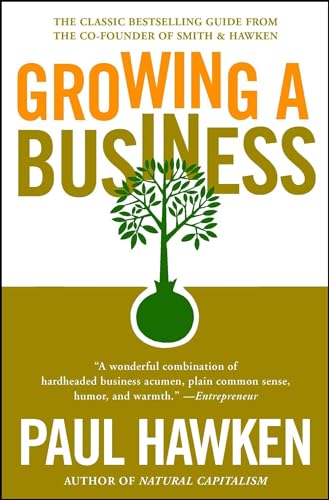
Paul Hawken
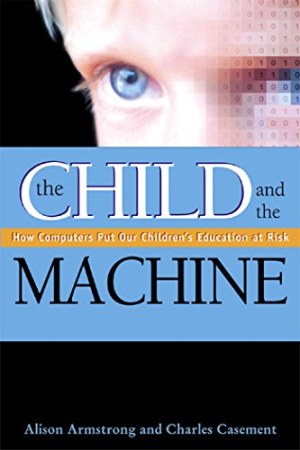
The Child and the Machine: How Computers Put Our Children's Education at Risk
Alison Armstrong, Charles Casement
Richard E. Boyatzis, Daniel Coleman, Annie McKee
The new science and spirituality reader
Laszlo, Ervin, Kingsley Dennis
The quest for happiness often leads to frustration, as many fail to realize that the...

Reaching sixty can evoke complex emotions, blending relief with ongoing ambition. This...

The quest for life's purpose often leads to unsatisfactory answers. This article...

Romantic love is a complex emotion shaped by historical, cultural, and biological...

Imagine going through one of the most physically and emotionally demanding experiences...

Have you ever argued over something that wasn't actually said? From cultural differences...

Daily actions often conflict with personal beliefs due to past experiences. By utilizing...

Therapists often use dream interpretation to delve into patients' emotions, but true...