













Happiness & Success
Achieving Happiness Through Acceptance of Life
The quest for happiness often leads to frustration, as many fail to realize that the...

Attention Deficit Disorder has long been viewed through a lens of deficit and disability, but what if this neurological difference actually represents a survival advantage that has been passed down through generations? What if the traits commonly labeled as symptoms are actually characteristics of hunters in a farmer's world? This groundbreaking work challenges everything society has come to believe about ADD and presents a revolutionary perspective that transforms perceived weaknesses into recognized strengths.
Drawing from both scientific research and real-life experiences, this collection presents powerful narratives from individuals who have not only learned to live with ADD but have actually leveraged their unique cognitive style to achieve remarkable success in their chosen fields. These stories span diverse professions and life paths, from entrepreneurs and artists to inventors and executives, demonstrating that ADD traits like hyperfocus, creativity, risk-taking, and innovative thinking can become incredible assets when properly understood and channeled.
The hunter versus farmer paradigm introduced here provides a compelling framework for understanding why certain individuals think and process information differently. In ancient times, hunters needed to constantly scan their environment, make split-second decisions, notice everything happening around them, and act quickly on impulse when opportunities arose. These are the exact traits that manifest as distractibility, impulsivity, and restlessness in modern classroom and office settings designed for the methodical, sustained attention of farmers. This reframing shifts the conversation from disorder to difference, from pathology to diversity.
Read more ▼
Age in Place: A Guide to Modifying, Organizing and Decluttering Mom and Dad's Home
Lynda Shrager OTR MSW
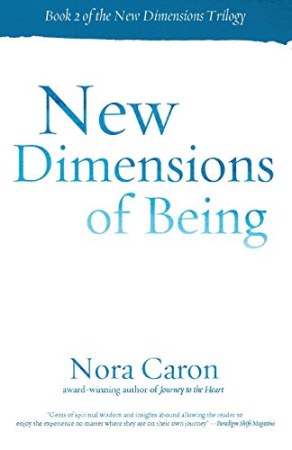
Nora Caron

Jane Greer

Kenneth F. Scheve
The quest for happiness often leads to frustration, as many fail to realize that the...

Reaching sixty can evoke complex emotions, blending relief with ongoing ambition. This...

The quest for life's purpose often leads to unsatisfactory answers. This article...

Romantic love is a complex emotion shaped by historical, cultural, and biological...

Imagine going through one of the most physically and emotionally demanding experiences...

Have you ever argued over something that wasn't actually said? From cultural differences...

Daily actions often conflict with personal beliefs due to past experiences. By utilizing...

Therapists often use dream interpretation to delve into patients' emotions, but true...