



















Happiness & Success
Achieving Happiness Through Acceptance of Life
The quest for happiness often leads to frustration, as many fail to realize that the...


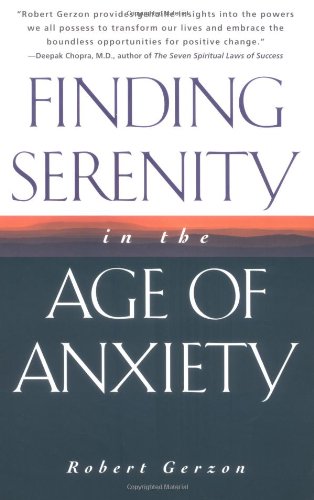
Anxiety sits at the core of human existence, manifesting in our daily worries, our fear of rejection, our dread of meaninglessness, and ultimately our awareness of mortality. Yet within this universal human condition lies a path toward profound personal empowerment and authentic selfhood. By examining the nature of courage not as the absence of fear, but as the strength to affirm life despite the ever-present threat of nonbeing, a transformative framework emerges for understanding how we can live more fully and authentically.
At the heart of this exploration lies a revolutionary understanding of anxiety as an existential reality rather than merely a psychological problem to be solved. Three distinct forms of anxiety shape human experience across history and within individual lives: the anxiety of fate and death, the anxiety of emptiness and meaninglessness, and the anxiety of guilt and condemnation. Each era in human history has been dominated by one of these forms, yet all three remain present in every person's struggle for existence. Recognition of these dimensions allows readers to understand their own fears within a larger philosophical and spiritual context, transforming what might seem like personal weakness into a shared aspect of the human condition.
The concept of courage receives deep philosophical treatment as the self-affirmation of being despite the forces that threaten to negate it. This isn't the superficial bravery celebrated in action movies or motivational posters, but rather the fundamental act of choosing to be oneself even when facing the anxiety inherent in existence itself. Two primary pathways emerge for expressing such courage: the courage to be as oneself, emphasizing individual autonomy and self-reliance, and the courage to be as part of something greater, finding strength through participation in collective movements, traditions, or communities.
Read more ▼
The quest for happiness often leads to frustration, as many fail to realize that the...

Reaching sixty can evoke complex emotions, blending relief with ongoing ambition. This...

The quest for life's purpose often leads to unsatisfactory answers. This article...

Romantic love is a complex emotion shaped by historical, cultural, and biological...

Imagine going through one of the most physically and emotionally demanding experiences...

Have you ever argued over something that wasn't actually said? From cultural differences...

Daily actions often conflict with personal beliefs due to past experiences. By utilizing...

Therapists often use dream interpretation to delve into patients' emotions, but true...