













Happiness & Success
Achieving Happiness Through Acceptance of Life
The quest for happiness often leads to frustration, as many fail to realize that the...


Sleep is one of the most intimate and universal human experiences, yet we rarely pause to consider how profoundly our relationship with rest has shaped civilization, consciousness, and personal wellbeing. This fascinating exploration takes readers on an unexpected journey through history, examining how something as seemingly simple as where and how we sleep has influenced human evolution, social structures, spiritual practices, and our understanding of ourselves.
For thousands of years, beds have been far more than furniture. They have served as spaces for birth and death, spiritual communion and physical healing, political intrigue and intimate connection. Through meticulous research spanning cultures across millennia, this work reveals how our sleeping arrangements reflect our deepest values, fears, and aspirations. From ancient civilizations to modern times, the evolution of sleep practices offers profound insights into human nature and the ongoing quest for personal transformation.
Readers discover that our ancestors approached sleep with a wisdom we've largely forgotten. Pre-industrial societies understood sleep as a sacred time, often experiencing it in two distinct phases separated by a peaceful interval of wakefulness used for meditation, prayer, or intimate conversation. This segmented sleep pattern, once universal across cultures, allowed for deeper introspection and spiritual connection. Understanding these historical practices challenges contemporary assumptions about what constitutes healthy sleep and opens possibilities for reclaiming more natural, restorative rest patterns.
Read more ▼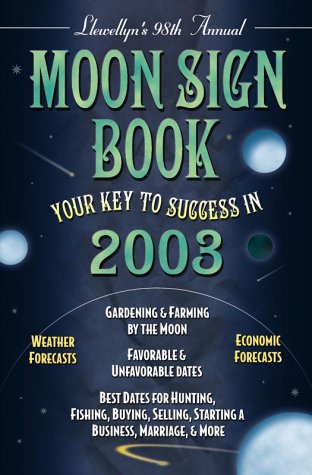
Llewellyn's 98th annual moon sign book
Sharon Leah, Gloria Star
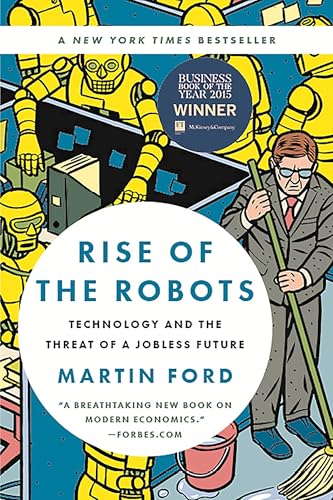
Martin Ford

Lyall Watson
Sapiens: A Brief History of Humankind
Yuval Noah Harari
The quest for happiness often leads to frustration, as many fail to realize that the...

Reaching sixty can evoke complex emotions, blending relief with ongoing ambition. This...

The quest for life's purpose often leads to unsatisfactory answers. This article...

Romantic love is a complex emotion shaped by historical, cultural, and biological...

Imagine going through one of the most physically and emotionally demanding experiences...

Have you ever argued over something that wasn't actually said? From cultural differences...

Daily actions often conflict with personal beliefs due to past experiences. By utilizing...

Therapists often use dream interpretation to delve into patients' emotions, but true...