










Happiness & Success
Achieving Happiness Through Acceptance of Life
The quest for happiness often leads to frustration, as many fail to realize that the...

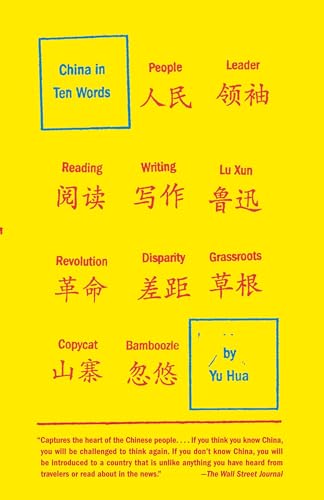
Through ten carefully chosen words, readers embark on a profound journey into the heart of contemporary China, exploring the seismic transformations that have reshaped one of the world's most populous nations over the past several decades. This remarkable work offers Western audiences an unprecedented window into the Chinese experience, moving far beyond political analysis to reveal the deeply personal and human dimensions of radical social change.
The narrative draws from lived experience during some of China's most turbulent periods, beginning with the Cultural Revolution and extending through the explosive economic reforms that have catapulted the nation onto the world stage. Each word serves as a portal into complex social phenomena, revealing how ordinary people navigate extraordinary circumstances. These aren't merely linguistic exercises but deeply felt explorations of concepts like People, Leader, Reading, Writing, Revolution, Disparity, Grassroots, Copycat, Bamboozle, and Lu Xun, each illuminating different facets of the Chinese experience.
What makes this exploration particularly valuable for those seeking personal growth and understanding is its unflinching examination of how individuals maintain dignity, creativity, and humanity amid profound upheaval. Readers discover stories of resilience that transcend cultural boundaries, offering lessons about adaptation, survival, and the preservation of self when external circumstances threaten to overwhelm individual identity. The accounts demonstrate how people construct meaning in their lives even when confronted with absurdity, oppression, or rapid change that disrupts everything familiar.
Read more ▼
The quest for happiness often leads to frustration, as many fail to realize that the...

Reaching sixty can evoke complex emotions, blending relief with ongoing ambition. This...

The quest for life's purpose often leads to unsatisfactory answers. This article...

Imagine going through one of the most physically and emotionally demanding experiences...

Romantic love is a complex emotion shaped by historical, cultural, and biological...

Daily actions often conflict with personal beliefs due to past experiences. By utilizing...

Have you ever argued over something that wasn't actually said? From cultural differences...

Therapists often use dream interpretation to delve into patients' emotions, but true...