














Happiness & Success
Achieving Happiness Through Acceptance of Life
The quest for happiness often leads to frustration, as many fail to realize that the...

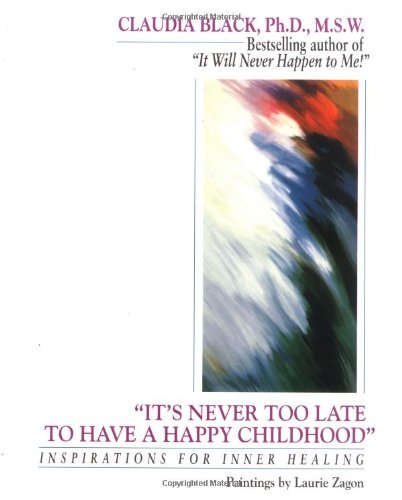
Healing the wounds of childhood represents one of the most profound journeys of personal transformation available to us as adults. Many people carry invisible scars from their formative years, patterns of behavior and belief systems that were established during times when they had little control over their environment or circumstances. These early experiences shape how we relate to ourselves and others, often in ways we don't fully recognize until we begin the conscious work of examination and recovery.
This groundbreaking work addresses the specific challenges faced by adult children from troubled family systems, particularly those affected by addiction, dysfunction, and emotional neglect. The foundation of this exploration rests on a revolutionary premise: regardless of what happened in our past, we possess the power to reparent ourselves and create the nurturing, validating experiences we may have missed during our actual childhood. This isn't about dwelling in victimhood or blame, but rather about acknowledging truth, grieving genuine losses, and actively constructing a healthier internal framework from which to live.
Readers will discover practical tools for identifying the roles they adopted as children to survive in chaotic or emotionally unavailable family environments. Whether someone became the responsible caretaker, the acting-out rebel, the invisible accommodator, or the family mascot who kept everyone laughing, these adaptive strategies served important protective functions. However, these same survival mechanisms often become obstacles to authentic intimacy and self-expression in adult relationships. Understanding these patterns marks the essential first step toward conscious change.
Read more ▼
Rosina-Fawzia B. Al-Rawi

Denis M. Donovan, Deborah McIntyre

Gyurme Dorje, Thupten Jinpa, His Holiness Tenzin Gyatso the XIV Dalai Lama, Graham Coleman
Gerald G. Jampolsky
The quest for happiness often leads to frustration, as many fail to realize that the...

Reaching sixty can evoke complex emotions, blending relief with ongoing ambition. This...

The quest for life's purpose often leads to unsatisfactory answers. This article...

Romantic love is a complex emotion shaped by historical, cultural, and biological...

Imagine going through one of the most physically and emotionally demanding experiences...

Have you ever argued over something that wasn't actually said? From cultural differences...

Daily actions often conflict with personal beliefs due to past experiences. By utilizing...

Therapists often use dream interpretation to delve into patients' emotions, but true...