
















Happiness & Success
Achieving Happiness Through Acceptance of Life
The quest for happiness often leads to frustration, as many fail to realize that the...


Deep within the structure of our brains lies a fascinating biological reality that influences how we think, communicate, solve problems, and navigate relationships. Drawing on extensive scientific research from neuroscience, endocrinology, and psychology, this groundbreaking work explores the fundamental neurological differences between male and female brains, offering readers a comprehensive understanding of how biology shapes behavior, cognition, and emotional processing.
For anyone seeking to understand themselves and others more deeply, this exploration provides compelling evidence that male and female brains are structurally different from before birth, influenced by prenatal hormone exposure that creates distinct neural pathways and processing patterns. These differences aren't superficial or culturally imposed—they're wired into our neural architecture, affecting everything from spatial reasoning and verbal abilities to emotional expression and problem-solving approaches.
Readers will discover how hormones, particularly testosterone and estrogen, sculpt the developing brain in utero, creating measurable differences in brain structure and function. The corpus callosum, which connects the brain's hemispheres, develops differently in males and females, affecting how information is processed and integrated. The hypothalamus, crucial for regulating emotions and hormones, shows distinct structural variations. These biological realities have profound implications for understanding human behavior, moving beyond outdated nature-versus-nurture debates to recognize that biology and environment interact in complex ways.
Read more ▼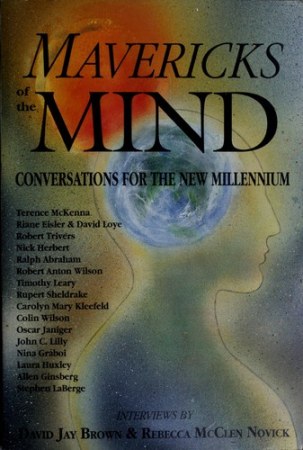
David Jay Brown, Rebecca McClen Novick
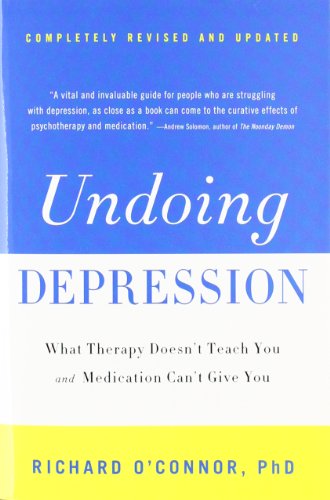
O'Connor, Richard Ph. D., Richard O'Connor, O'Connor, Richard (Psychotherapist)

The Art of Happiness in a Troubled World
His Holiness Tenzin Gyatso the XIV Dalai Lama, Howard C. Cutler
Breaking the habit of being yourself
Joe Dispenza
The quest for happiness often leads to frustration, as many fail to realize that the...

Reaching sixty can evoke complex emotions, blending relief with ongoing ambition. This...

The quest for life's purpose often leads to unsatisfactory answers. This article...

Imagine going through one of the most physically and emotionally demanding experiences...

Romantic love is a complex emotion shaped by historical, cultural, and biological...

Daily actions often conflict with personal beliefs due to past experiences. By utilizing...

Have you ever argued over something that wasn't actually said? From cultural differences...

Therapists often use dream interpretation to delve into patients' emotions, but true...