










Happiness & Success
Achieving Happiness Through Acceptance of Life
The quest for happiness often leads to frustration, as many fail to realize that the...

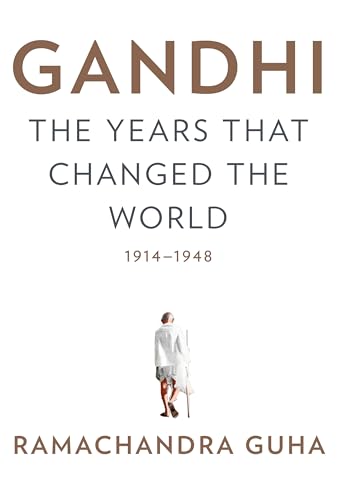
Mohandas Karamchand Gandhi stands as one of history's most transformative figures, a man who fundamentally altered our understanding of power, resistance, and personal integrity. This masterful biography presents an intimate exploration of Gandhi's extraordinary journey from a shy, unremarkable child in provincial India to the architect of nonviolent resistance that would inspire civil rights movements across the globe.
Through meticulously researched narrative, readers encounter Gandhi not as a distant icon but as a deeply human figure navigating profound personal and political challenges. The work draws from an astonishing array of previously untapped sources, including private letters, police and intelligence reports, and accounts from those who knew him intimately. This comprehensive approach reveals a man of contradictions and evolution, someone who continuously questioned himself while holding firm to core principles that would reshape the modern world.
The biography traces Gandhi's formative years, including his time as a struggling lawyer in South Africa where he first developed his philosophy of satyagraha, or truth-force. These early experiences of racial discrimination and social injustice became the crucible in which his revolutionary ideas about peaceful resistance took shape. Readers discover how personal humiliation and witness to systemic oppression transformed a conventional professional into a radical thinker who dared to imagine that moral authority could overcome military might.
Read more ▼
George E. Vaillant

John F. Demartini

Andy Stanton
The quest for happiness often leads to frustration, as many fail to realize that the...

Reaching sixty can evoke complex emotions, blending relief with ongoing ambition. This...

The quest for life's purpose often leads to unsatisfactory answers. This article...

Imagine going through one of the most physically and emotionally demanding experiences...

Romantic love is a complex emotion shaped by historical, cultural, and biological...

Daily actions often conflict with personal beliefs due to past experiences. By utilizing...

Have you ever argued over something that wasn't actually said? From cultural differences...

Therapists often use dream interpretation to delve into patients' emotions, but true...