








Happiness & Success
Achieving Happiness Through Acceptance of Life
The quest for happiness often leads to frustration, as many fail to realize that the...

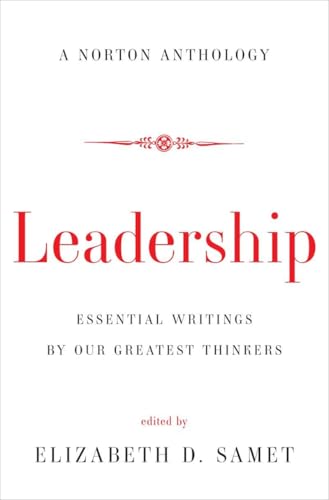
What makes an effective leader? This question has occupied minds for centuries, yet remains as urgent and complex today as ever. Through an exploration that spans literature, history, film, and contemporary affairs, readers are invited to reconsider their most fundamental assumptions about what leadership truly means and how it operates in our personal and professional lives.
Drawing on sources as diverse as Shakespeare's plays, military history, classic cinema, and modern political discourse, this work challenges the simplistic narratives and hero worship that often characterize discussions of leadership. Instead of offering easy formulas or step-by-step guides to becoming a leader, readers encounter a sophisticated examination of leadership's paradoxes, failures, and moral complexities. This approach proves far more valuable than conventional business books because it acknowledges that leadership is not merely a set of techniques to master but a deeply human endeavor filled with ethical dilemmas and unavoidable uncertainties.
The exploration begins with the recognition that our cultural myths about leaders often mislead us. We tend to celebrate charismatic individuals who project confidence and decisiveness, yet history demonstrates repeatedly that such qualities can mask dangerous flaws. By examining leadership through the lens of great literature and historical example, readers gain tools for developing critical judgment about the leaders they follow and the leadership they themselves might exercise. This critical perspective becomes essential in an era when we face mounting challenges that demand authentic, thoughtful leadership rather than empty rhetoric and performance.
Read more ▼
Judith Powell Wallace D. Wattles

Bonnie Eaker, Ph.D. Weil

Goswami Kriyananda
The quest for happiness often leads to frustration, as many fail to realize that the...

Reaching sixty can evoke complex emotions, blending relief with ongoing ambition. This...

The quest for life's purpose often leads to unsatisfactory answers. This article...

Romantic love is a complex emotion shaped by historical, cultural, and biological...

Imagine going through one of the most physically and emotionally demanding experiences...

Daily actions often conflict with personal beliefs due to past experiences. By utilizing...

Have you ever argued over something that wasn't actually said? From cultural differences...

Therapists often use dream interpretation to delve into patients' emotions, but true...