
















Happiness & Success
Achieving Happiness Through Acceptance of Life
The quest for happiness often leads to frustration, as many fail to realize that the...

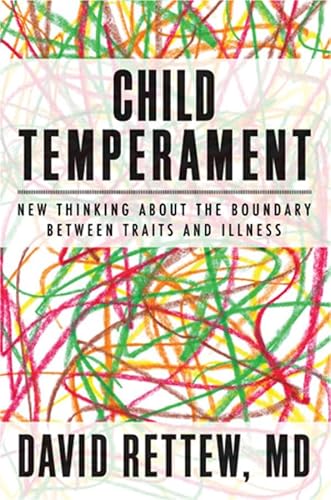
Understanding why children behave the way they do stands as one of the most profound challenges parents face, yet it holds the key to transforming family relationships and nurturing healthier connections that last a lifetime. Every parent has witnessed how siblings raised in the same household can display remarkably different personalities from birth—one child naturally cautious and sensitive, another bold and impulsive. These fundamental differences in how children experience and respond to the world form the biological basis of temperament, a concept that bridges cutting-edge neuroscience with practical parenting wisdom.
This groundbreaking work explores the fascinating science behind why children are wired differently from one another, drawing on decades of research in genetics, brain development, and behavioral studies. Rather than viewing difficult behaviors as purely environmental or the result of parenting failures, readers discover how innate temperamental traits shape everything from sleep patterns and emotional reactivity to social interactions and learning styles. The insights presented help parents move beyond guilt and frustration toward a more compassionate, scientifically informed approach to raising children.
The exploration begins with the biological foundations of temperament, examining how genetic inheritance and neurological development create distinct behavioral profiles. Readers learn about key temperamental dimensions including activity level, emotional intensity, adaptability to change, sensory sensitivity, and persistence. Understanding these core traits empowers parents to recognize that a child's challenging behaviors often stem from hardwired tendencies rather than willful defiance or poor discipline. This knowledge alone can revolutionize family dynamics by replacing blame with understanding.
Read more ▼
Sarano Kelley

Neale Donald Walsch

Breaking Free from the Victim Trap
Diane Zimberoff

Marriage meetings for lasting love
Marcia Naomi Berger
The quest for happiness often leads to frustration, as many fail to realize that the...

Reaching sixty can evoke complex emotions, blending relief with ongoing ambition. This...

The quest for life's purpose often leads to unsatisfactory answers. This article...

Imagine going through one of the most physically and emotionally demanding experiences...

Romantic love is a complex emotion shaped by historical, cultural, and biological...

Daily actions often conflict with personal beliefs due to past experiences. By utilizing...

Have you ever argued over something that wasn't actually said? From cultural differences...

Therapists often use dream interpretation to delve into patients' emotions, but true...