










Happiness & Success
Achieving Happiness Through Acceptance of Life
The quest for happiness often leads to frustration, as many fail to realize that the...

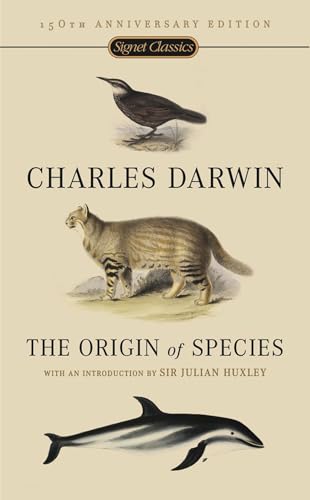
Journey into one of the most transformative scientific works ever published and discover how all living things on Earth are connected through an elegant web of relationships stretching back through deep time. This groundbreaking exploration of natural processes reveals how the spectacular diversity of life arose through gradual changes over countless generations, fundamentally reshaping humanity's understanding of our place in the natural world.
At its heart, this work presents a comprehensive examination of how species adapt and change in response to their environments. Through meticulous observations gathered over decades, including a famous voyage around the world, readers encounter compelling evidence from geology, paleontology, animal breeding, and biogeography that demonstrates how organisms evolve through a process of natural selection. The mechanism is elegantly simple yet profoundly powerful: individuals with advantageous traits are more likely to survive and reproduce, passing those beneficial characteristics to future generations.
For readers interested in deepening their connection with nature, this text offers an entirely new lens through which to view the living world. Every plant in your garden, every bird at your feeder, and every pet in your home represents the culmination of millions of years of adaptation and change. Understanding these processes cultivates a profound sense of wonder and reverence for life in all its forms. The intricate adaptations that allow hummingbirds to hover, enable cacti to thrive in deserts, or give dolphins their streamlined forms become not miraculous exceptions but beautiful examples of natural processes working over immense timescales.
Read more ▼
Gregory Berns
Janet Jones
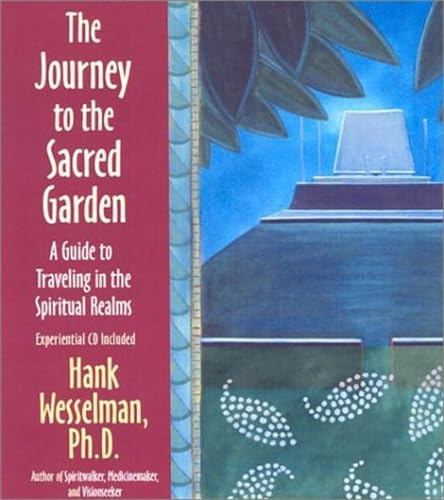
The journey to the sacred garden
Henry Barnard Wesselman

Abrams Abrams Books
The quest for happiness often leads to frustration, as many fail to realize that the...

Reaching sixty can evoke complex emotions, blending relief with ongoing ambition. This...

The quest for life's purpose often leads to unsatisfactory answers. This article...

Romantic love is a complex emotion shaped by historical, cultural, and biological...

Imagine going through one of the most physically and emotionally demanding experiences...

Have you ever argued over something that wasn't actually said? From cultural differences...

Daily actions often conflict with personal beliefs due to past experiences. By utilizing...

Therapists often use dream interpretation to delve into patients' emotions, but true...