
Happiness & Success
Achieving Happiness Through Acceptance of Life
The quest for happiness often leads to frustration, as many fail to realize that the...








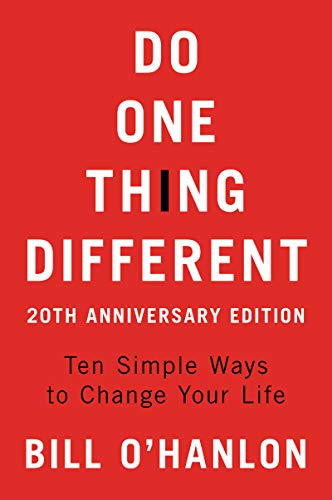
Breaking free from stuck patterns and transforming your life doesn't require massive overhauls or years of intensive therapy. Sometimes the smallest shifts can create the most profound changes. This accessible and practical guide introduces a revolutionary approach to personal change that focuses on making simple, deliberate alterations to habitual patterns rather than trying to understand why problems exist in the first place.
At the heart of this transformative approach lies a deceptively simple premise: when you're stuck in a repetitive pattern that isn't working, doing just one thing differently can interrupt the cycle and open up new possibilities. Rather than dwelling on the past, analyzing childhood wounds, or spending years trying to understand the deep psychological roots of difficulties, readers discover how to become solution-focused and action-oriented. The emphasis is on what works now and what can be changed today, not on endless exploration of what went wrong years ago.
The framework presented here draws from solution-oriented therapy, a brief and effective therapeutic approach that has helped countless people create lasting change in remarkably short periods of time. Readers learn to identify the repetitive patterns in their lives—whether in relationships, work, health habits, or emotional responses—and then discover specific, concrete ways to alter those patterns. These aren't vague suggestions about thinking positively or willing yourself to change. Instead, they're practical, actionable steps that anyone can implement immediately.
Read more ▼
Noelle C. Nelson, Jeannine Lemare Calaba

J. T. Garrett, Michael Tlanusta Garrett

Dean Baker
Howard Thurman
The quest for happiness often leads to frustration, as many fail to realize that the...

Reaching sixty can evoke complex emotions, blending relief with ongoing ambition. This...

The quest for life's purpose often leads to unsatisfactory answers. This article...

Romantic love is a complex emotion shaped by historical, cultural, and biological...

Imagine going through one of the most physically and emotionally demanding experiences...

Daily actions often conflict with personal beliefs due to past experiences. By utilizing...

Have you ever argued over something that wasn't actually said? From cultural differences...

Therapists often use dream interpretation to delve into patients' emotions, but true...