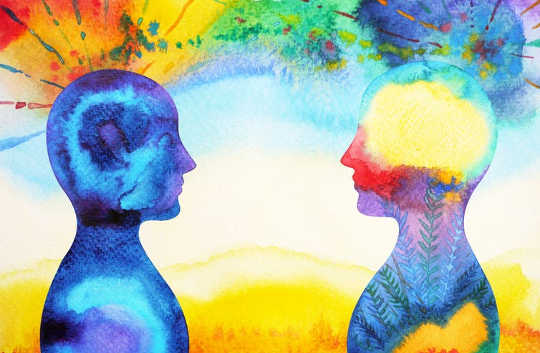
Promoting Mental Health with the ABC Approach
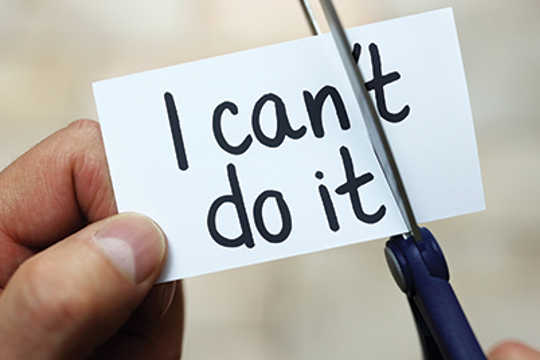
The Act-Belong-Commit model offers a straightforward strategy to enhance mental health by encouraging individuals to stay active, build connections, and commit to meaningful...
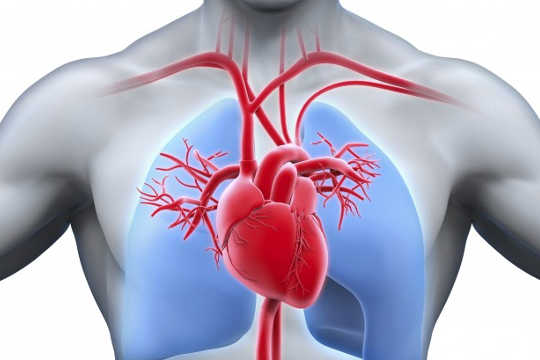
Less than 10 percent of the treatment recommendations US doctors rely on to manage care for heart patients are based on evidence from multiple large, randomized clinical trials—the gold standard for obtaining scientific data, report researchers.

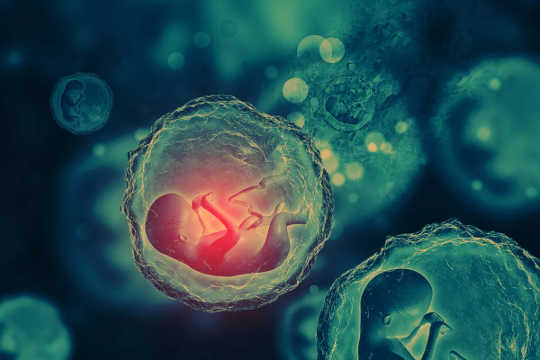
Bioethicist Matthew Liao is open to genetic engineering in theory, but he says he was rather horrified to learn that twin girls had been born in China after a researcher genetically modified their embryos to resist HIV infection.

Fad diets have long been brushed off as selfish, superficial quests to lose weight.

Mosquitoes aren’t just annoying. Every year around 5,000 Australians get sick following a mosquito bite.

Building muscle strength may offer a way to lower your risk of type 2 diabetes, researchers report.

Glyphosate is back in the news again. The common weed killer, which has previously attracted controversy for its possible link to cancer, has been found in beer and wine.

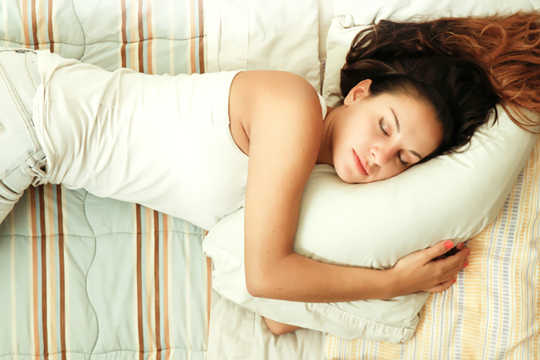
It is that time of the year again. Whilst the Southern Hemisphere is coping with the sweltering heat of the summer, cold is sweeping across the rest of the globe, bringing with it snowfalls, violent winds, and an irresistible desire to spend most of your day curling up in bed.
Those of us who inhabit the more industrially developed nations of the world seem to believe that doing more will somehow yield us more. When we mistakenly enter into this thought pattern, we come dangerously close to...

The Fabrication City concept puts manufacturing back in the hands of communities — using 3D printers.

Vegetarianism is on the rise in Australia, as many vegetarians will gladly tell you.
Without following a particular diet, overweight people in a new study who tracked what they ate with a free smartphone app lost a significant amount of weight.

If you are seeking someone to lead you to physical mastery, seek no further than your own physical body. Look to your ancient tribal cultures, not only in North America, but in South America, Africa, Australia, New Zealand. These people know, whether they tell you or not, how to live in harmony.
Neural glitches in the sleep-deprived brain can intensify and prolong the agony of sickness and injury, research finds. The findings, published in the Journal of Neuroscience, help explain the self-perpetuating cycles contributing to the overlapping global epidemics of sleep loss, chronic pain, and even opioid addiction.

Visual illusions show us that we do not have direct access to reality. They can also provide an inkling of the mental processing that delivers our experience of the viewable world.

It's important to learn to "read" the feet because there are several physical conditions that need special attention. The signs we observe are the body’s way of telling us something is out of balance. Just like pain, any disorder is a warning signal. Reflexology is not a tool for diagnosis, but with some observation skills, you can discover whether the body is struggling and if it is in need of some help.

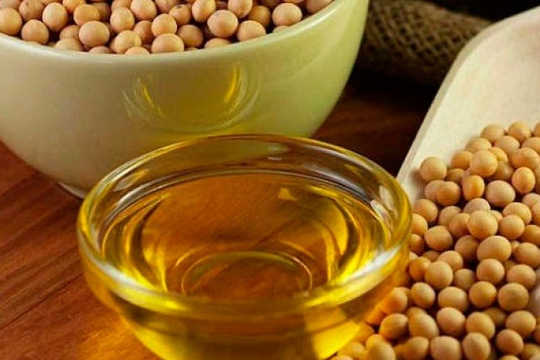
Soybean oil may be better than fish oil for reducing cancer-related fatigue in breast cancer survivors, according to a new study.

How deep we sleep can affect our brain’s ability to efficiently wash away waste and toxic proteins, new research suggests.

The gambler, the quantum physicist and the juror all reason about probabilities: the probability of winning, of a radioactive atom decaying, of a defendant’s guilt.

When facing a choice between a smaller dollar amount now or more money weeks later, “patient savers” focus immediately on the two dollar amounts, quickly screening out other factors as irrelevant, according to a new study.

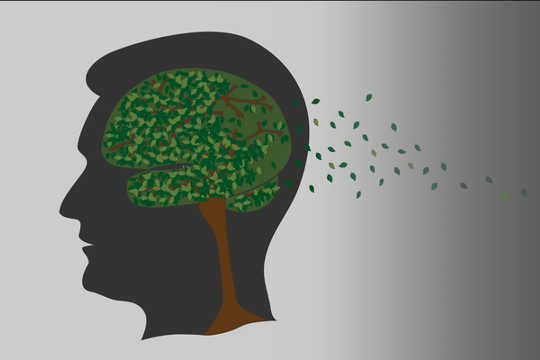
Whether it be forgetting 20 years of your life or having the same conversation every five minutes only to forget it each time, memory impairment can take a large toll on everyday life.

Of the four million prisoners released each year, 23 percent suffer from depression but don’t receive treatment while incarcerated, according to a new study.