

Health & Wellness
Promoting Mental Health with the ABC Approach
The Act-Belong-Commit model offers a straightforward strategy to enhance mental health by encouraging individuals to stay active, build connections, and commit to meaningful...














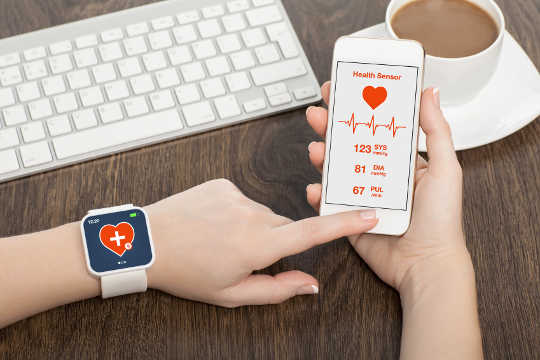 Just like real doctors and nurses, online health tools with good communication skills can promote healthier lifestyles.
 The discovery of a core set of genes involved in the responses of honey bees to multiple diseases caused by viruses may help scientists and beekeepers breed honey bees more resilient to stress.
 Exercise and/or psychological therapy work better than medications to reduce cancer-related fatigue and should be recommended first to patients, say researchers.
 Older adults who go to the emergency department for an illness or injury are at increased risk for disability and decline in physical abilities up to six months later, research shows.
 Researchers predicted dieting success—or failure—with an accuracy rate of 77 percent based on the sentiment of the words and phrases people used on Twitter.
 Effective breast cancer treatment options are predictable based on the way certain genes act or express themselves, new research shows.
 Fluid is a previously unacknowledged source of the tension we feel when we stretch our muscles, research suggests.
 A battery made with urea, commonly found in fertilizers and mammal urine, could provide a low-cost way of storing energy produced through solar power or other forms of renewable energy for consumption during off hours.
 We actively compete with our coworkers for a limited amount of perks, including raises, promotions, bonuses, and recognition
 People taking heartburn drugs called proton pump inhibitors—Prevacid, Prilosec, Nexium, and Protonix—may not be aware of kidney damage linked to the medications, research suggests.
 There’s no easy way to predict which teenager will become a problem drug user. While certain personality traits—impulsiveness for example—may signal danger, not every adolescent fits the description.
 Compared to other specific learning difficulties, major research into dyspraxia – or developmental coordination disorder (DCD) as it is more formally known – has only begun fairly recently.
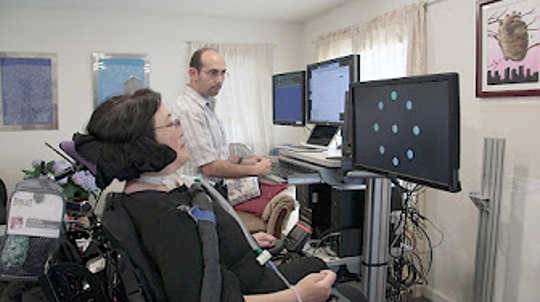 A brain-to-computer hookup recently allowed people with severe limb weakness to type via direct brain control at the highest speeds and accuracy levels reported to date.
 Over the past few years, cats have increasingly attracted media attention due to a number of scientific studies reporting that a Toxoplasma Gondii (T. Gondii) infection is linked with mental health issues, including schizophrenia, suicide and intermittent rage disorder.
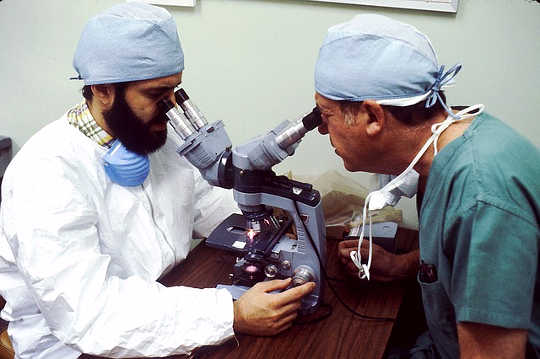 The Volkswagen emissions scandal and past promotions of tobacco are two examples of “alternative facts” in science’s past, a researcher warns.
 Food advertising strongly influences the eating choices of adults, adolescents and children alike. But TV and magazine adverts often carry misleading health and nutrition claims.
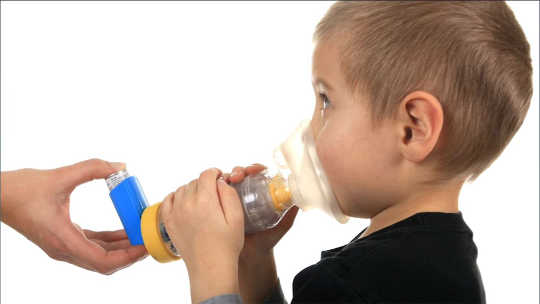 A protein that appears to play a vital role in airway function is virtually missing in people who have asthma. The discovery points to a potential new treatment.
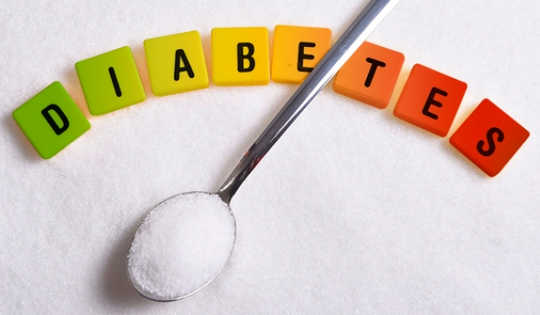 The proportion of deaths attributable to diabetes in the US is as high as 12 percent—three times higher than estimates based on death certificates suggest—a new analysis shows.
 A new study with worms may help explain how diseases like Alzheimer’s and Parkinson’s spread in the brain. Sometimes when neurons dispose of toxic waste, neighboring cells get sick.
 If you imagine each thought going through your mind as a seed destined to grow the events of your future, how do you feel about the quality of the seeds you’re planting? Are they growing success, joy, and love, or bitterness, pain, and disappointment?
 There are two paths before you: One of them takes you to Heaven, a place more beautiful than you can imagine. The other takes you to Hell, a land full of darkness, despair, and wretched individuals. You are to choose a path.






