
Happiness & Success
Achieving Happiness Through Acceptance of Life
The quest for happiness often leads to frustration, as many fail to realize that the...








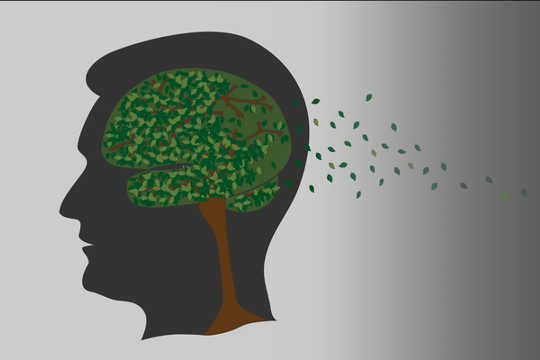
Whether it be forgetting 20 years of your life or having the same conversation every five minutes only to forget it each time, memory impairment can take a large toll on everyday life.

Of the four million prisoners released each year, 23 percent suffer from depression but don’t receive treatment while incarcerated, according to a new study.

People all over the globe have the perception that being overweight or obese is caused by eating too much junk food, drinking sugary drinks, or not exercising enough.

With the hectic modern lifestyles that most of us experience, there’s an onslaught of good and bad information assaulting our senses all the time. Since the dawn of the digital age, the human attention span has shrunk from twelve seconds to only eight seconds.

A chemical in hand soap and toothpaste meant to kill bacteria is actually making them stronger and more capable of surviving antibiotic treatment, according to a new study in mice.

Children who live in homes with all vinyl flooring or flame-retardant chemicals in the sofa have significantly higher concentrations of potentially harmful compounds in their blood or urine than children who live in homes that don’t, according to a new study.

Smiling depression, characterized by outward happiness masking internal struggles, is a serious condition that often goes unrecognized. Many individuals may appear successful and content while battling feelings of hopelessness and potential suicidal thoughts. Understanding this phenomenon is crucial for addressing mental health effectively and seeking appropriate help.

The development of a baby, from the time of fertilization through to the moment of birth, is an incredibly complex journey. Most of the time the result is a perfect new baby.

Mindful eating, a practice rooted in historical concepts like Fletcherism, encourages awareness of food and its effects on the body and mind. This approach helps manage emotional eating, promotes healthier food choices, and can lead to reduced calorie intake. Understanding its principles can transform eating habits and foster a healthier relationship with food.

Falling in love may boost genes in women’s immune systems related to fighting infection, according to new research.

We tell ourselves science is king, but our understanding of the world is shaped through story. We tell stories about the past and call it history. We tell stories about the present and call it news. Our stories about how to act, think, and live are called culture. And our stories about how the natural world works are called science.

It is so incredibly easy to get sucked into the illusion that weight loss is all about food. The logical mind thinks, “Why wouldn’t it be? What I eat is causing my weight gain, so this must be about food.” This initiates the quest to try every diet out there, in order to get your body to a place where you feel “good enough.” Confident. Worthy. Desired. Happy.

Although people have been eating wheat for thousands of years, one third of US adults now shun foods containing wheat in an effort to avoid gluten.

Regular walking produces many health benefits, including reducing our risk of heart disease, type 2 diabetes and depression.

Community-based exercise programs improve physical fitness and quality of life for people with cancer, according to a new study.

At-home DNA testing kits may be popular, but new research finds that not everyone is eager to find out whether they are related to the British royal family or a Neanderthal.

Some cannabinoid compounds may inhibit the growth of colon cancer cells, according to new research.
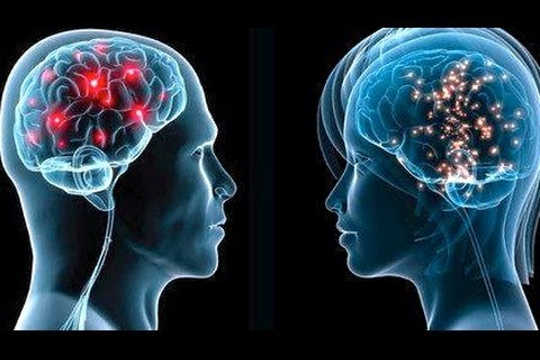
Women’s brains appear to be about three years younger than men’s of the same chronological age, metabolically speaking, according to a new study.

A new study shows a link between prostate cancer and cancer cells’ uptake of fatty acids.

Enlarged prostates may actually impede the growth of prostate cancer tumors, according to a new study.

There is no scientifically significant evidence that expensive prescription pain creams and gels relieve soreness better than a placebo, a study finds.
The quest for happiness often leads to frustration, as many fail to realize that the...

Reaching sixty can evoke complex emotions, blending relief with ongoing ambition. This...

The quest for life's purpose often leads to unsatisfactory answers. This article...

Romantic love is a complex emotion shaped by historical, cultural, and biological...

Have you ever argued over something that wasn't actually said? From cultural differences...

Imagine going through one of the most physically and emotionally demanding experiences...

Daily actions often conflict with personal beliefs due to past experiences. By utilizing...

Therapists often use dream interpretation to delve into patients' emotions, but true...