
Happiness & Success
Achieving Happiness Through Acceptance of Life
The quest for happiness often leads to frustration, as many fail to realize that the...









Consider for a moment the possibility of your personality acting as your mask, as the protection you don for the world. Like performers, each of us presents ourselves as having certain personal characteristics. We may be aggressive or meek, loud or soft-spoken, dominating, loving, inquisitive, or good-natured...

Researchers have interrupted a neural pathway responsible for opiate-associated memories in mice.

Since day one of the coronavirus pandemic, the U.S. has not had enough tests. Short of testing every person in the U.S., the best way to get accurate data on who and how many people have been infected with the coronavirus is to test randomly.

A compound in the leaves of a common shrub, the American beautyberry, boosts an antibiotic’s activity against antibiotic-resistant staph bacteria, scientists report.
Psychiatric classifications catalogue the many forms of mental ill-health. They define what counts as a disorder and who counts as disordered, drawing the boundary between psychological normality and abnormality.
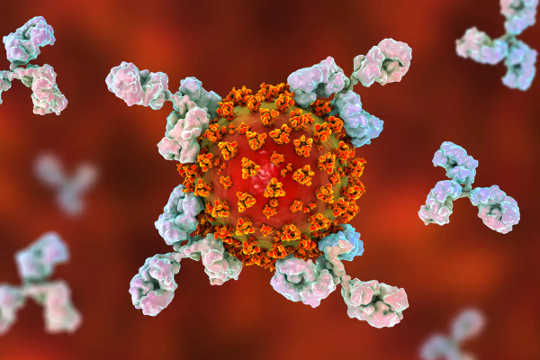
How is the world going to go back to the days when we could grab a coffee, see a movie, or attend a concert or footy game with anyone?
In January 2015, food sales at restaurants overtook those at grocery stores for the first time. Most thought this marked a permanent shift in the American meal.

How long can someone be infected with the virus unknowingly? It’s a question hundreds of thousands of people are asking themselves as they enter official or self-imposed quarantines or take contact tracing upon themselves. And the answer is now more unsettled than it was two weeks ago.
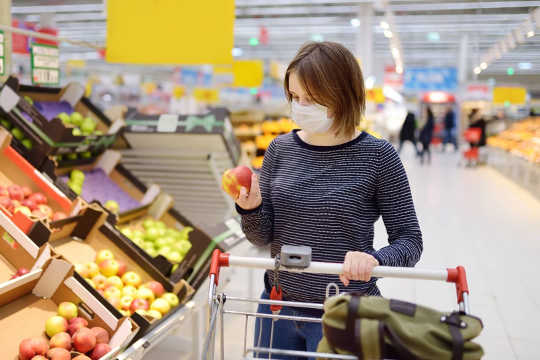 Social distancing and wearing a mask prevent you from spreading COVID-19, but they also protect you from getting it, two experts explain in a new video discussion of coronavirus transmission.
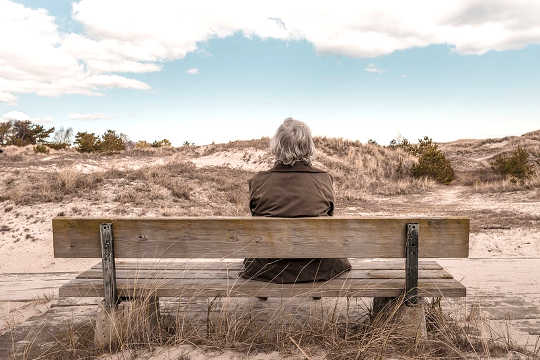
Let’s take a moment to discuss several misconceptions about menopause, aka “the change of life.” In Angeles Arrien’s book The Second Half of Life, she states, “Unfortunately, our culture’s current perspective is that the second half of life offers only decline, disease, despair, and death.”

Apart from reduced social interaction and the domestic juggling involved, homes are not usually designed to replicate a workplace environment when it comes to employees’ health.

For some individuals with COVID-19, recovering from the acute phase of the infection is only the beginning, John Swartzberg warns.
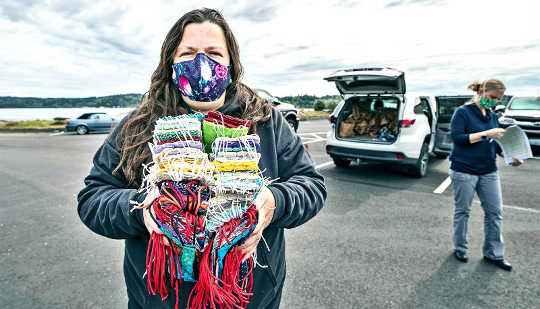
While research has shown masks are effective in reducing the spread of COVID-19, not all masks or mask materials are equally effective, according to new research.

Food cravings often stem from basic unmet needs for fun, excitement, or love -- issues most would consider "normal" and within our power to self-heal. Some people's food cravings remain constant; for example, they always crave ice cream. Other people go through "food kicks" in different weeks.
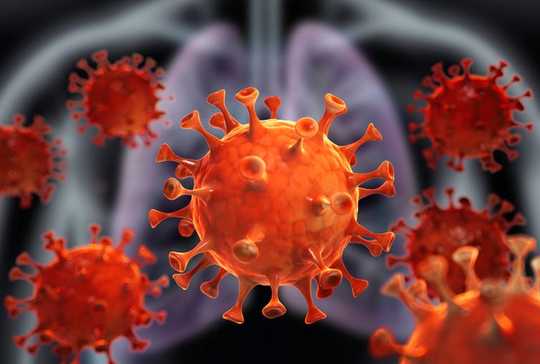
As the number of people infected with the SARS-CoV-2 coronavirus grows, so does our knowledge of how it spreads, how it affects the body, and the range of symptoms it causes.

How you feel about yourself may actually affect the way your body defends itself against the various stresses and infective organisms that surround it. A high level of self-esteem, or a stronger sense of self, can lead to more vigorous immune response.

What is known about which treatments work, and which don’t, for the new coronavirus infection.
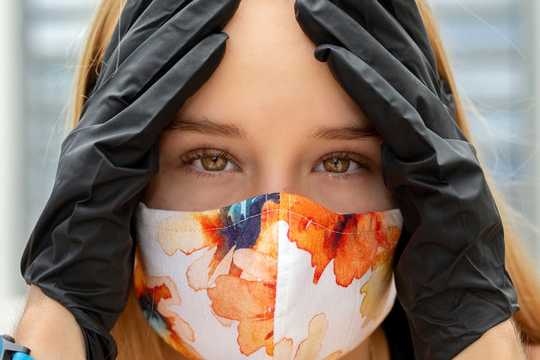
We’re all exhausted and pushed to the limit by months of social distancing, and the recent news that cases are climbing in many states is especially scary.
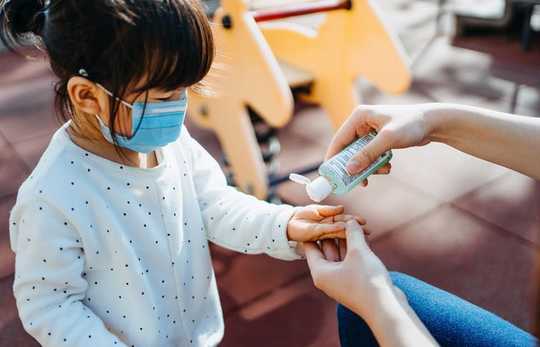
The increase of COVID-19 cases across the country calls for quick action. Sure, you and your family are exhausted from distancing, you miss your loved ones and you want to get back to your support groups or church.
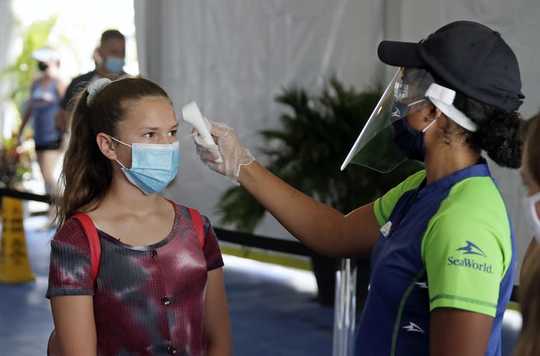
Screening for symptoms of COVID-19 and self-quarantine are good at preventing sick people from spreading the coronavirus. But more and more evidence is suggesting that people without symptoms are spreading the virus too.
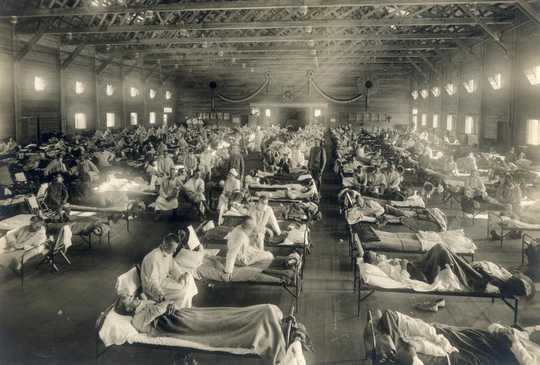
The influenza pandemic became the most severe pandemic in recent history, infecting about one-third of the world’s population between 1918 and 1920 and killing between 50 and 100 million people. It was caused by an H1N1 virus that originated in birds and mutated to infect humans.
The quest for happiness often leads to frustration, as many fail to realize that the...

Reaching sixty can evoke complex emotions, blending relief with ongoing ambition. This...

The quest for life's purpose often leads to unsatisfactory answers. This article...

Have you ever argued over something that wasn't actually said? From cultural differences...

Romantic love is a complex emotion shaped by historical, cultural, and biological...

Imagine going through one of the most physically and emotionally demanding experiences...

Daily actions often conflict with personal beliefs due to past experiences. By utilizing...

Therapists often use dream interpretation to delve into patients' emotions, but true...