
Happiness & Success
Achieving Happiness Through Acceptance of Life
The quest for happiness often leads to frustration, as many fail to realize that the...








 When it comes to the best plan, I can’t tell you what’s right for your body. The truth is you have to figure that one out on your own because everyone is different. For instance, I don’t eat red meat because . . . well, I’ve never really eaten it. I just don’t like the taste of it.
 When we think cravings, we tend to think potato chips, pizza, and sweets, and nights of gorging ourselves with foods saturated with salt from our tears of remorse. It may sound ridiculous to suggest that cravings can be used to benefit our bodies, but I’d say the problem isn’t cravings themselves, but how we view them.
![bowls of apples & oranges on counter Share This Article facebook twitter Action Beyond the usual advice about less food and more exercise, the study suggests that consciously replacing unhealthy cues with healthy ones in the home could have a real impact on a person's BMI, especially for women. (Credit: Abi Porter/Flickr) How the kitchen counter can predict your weight Cornell University rightOriginal Study Posted by George Lowery-Cornell on October 20, 2015 You are free to share this article under the Attribution 4.0 International license. The types of ready-to-eat foods on a kitchen countertop could also hint at the weight of the people in the home, particularly women. The study looked at photographs of more than 200 kitchens in Syracuse, New York, to test how the food environment relates to the body mass index (BMI) of the adults at home. The women in the study who kept fresh fruit out in the open tended to be a normal weight compared with their peers. But when snacks like cereals and sodas were readily accessible, those people were heavier than their neighbors—by an average of more than 20 pounds. “It’s your basic See-Food Diet—you eat what you see,” says Brian Wansink, professor and director of the Cornell Food and Brand Lab and lead author of the paper in the journal Health Education and Behavior. [Would you take food advice from a heavier blogger?] The study finds that women who kept soft drinks on their counter weighed 24 to 26 pounds more than those who kept their kitchen clear of them. A box of cereal on the counter lined up with women there weighing an average 20 pounds more than their neighbors who didn’t. “As a cereal-lover, that shocked me,” says Wansink. “Cereal has a health-halo, but if you eat a handful every time you walk by, it’s not going to make you skinny.” When unhealthy foods are the most visible options in the kitchen, falling into habits that lead to weight gain becomes easier. Keeping those foods out of sight by sequestering them in pantries and cupboards reduces their convenience, making it less likely that they will be grabbed in a moment of hunger. Clearing the counters of the cereals, sodas, and other snack items and replacing them with healthier visible cues like fresh fruit could help, the study finds: Women who had a fruit bowl visible weighed about 13 pounds less than neighbors who didn’t. [Could a bribe entice you to eat less?] The study also finds that normal-weight women were more likely to have a designated cupboard for snack items and less likely to buy food in large-sized packages than those who are obese. The findings provide new insights into the role environmental factors play with obesity and offer remedies to rid the home of unhealthy cues while promoting the healthy ones. Rather than just the usual dietary advice prescribing less food and more exercise, the study suggests that consciously replacing unhealthy cues with healthy ones in the home could have a real impact on a person’s BMI, especially for women. “We’ve got a saying in our lab, ‘If you want to be skinny, do what skinny people do,'” Wansink says. Source: Matt Hayes for Cornell University](/images/2015/540/apples_and_oranges.jpg)
Beyond the usual advice about less food and more exercise, the study suggests that consciously replacing unhealthy cues with healthy ones in the home could have a real impact on a person's BMI, especially for women.
 Food intolerance is often dismissed as a modern invention and a “first-world problem”. However, a study analysing the genomes of 101 Bronze-Age Eurasians reveals that around 90% were lactose intolerant.
 A new study of more than 500,000 Chinese adults over seven years finds that participants who ate foods flavored with chili peppers every day reduced their risk of premature dying by 14 percent, as compared to people who ate chili peppers less than once a week.
 The uptick in plastic packaging is a result of schools' efforts to streamline food preparation and meet federal nutrition standards while keeping costs low. "If this is an avoidable exposure, do we need to risk it? If we can easily cut it out, why wouldn't we?" says Jennifer Hartle.
 Drinking concentrated beet juice, which is high in nitrates, increases muscle power in patients with heart failure, a new study shows. “It’s a small study, but we see robust changes in muscle power about two hours after patients drink the beet juice,”
 There are opportunities to maximize the quality of the foods we consume through careful selection and astute buying. There are also opportunities for some families to become involved in the production of wholesome vegetables by growing vegetables in pots on a patio, lawn space, or by participating in a community garden project.
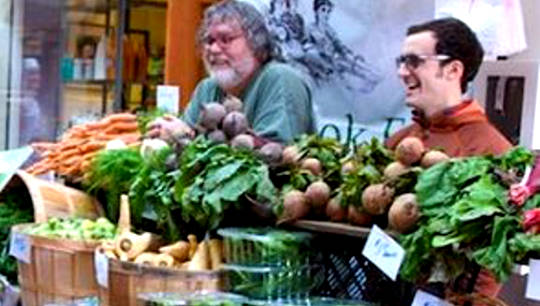 Food is simple. At least, it used to be. Knowing what to eat and whether it was healthy and healing for us was clear. It was instinctual. We did not have to think about food. We just ate it. Today, food has become complicated. As humans normally do with most issues, we overthink them...
 High vitamin C concentrations in the blood from eating fruit and vegetables are associated with a reduced risk of cardiovascular disease and early death, report researchers.
 In a new study, Valter Longo and his colleagues show that cycles of a four-day low-calorie diet that mimics fasting (FMD) cut visceral belly fat and elevated the number of progenitor and stem cells in several organs of old mice—including the brain, where it boosted neural regeneration and improved learning and memory.
 Elevated blood sugar can rapidly increase levels of amyloid beta, a key component of brain plaques in Alzheimer’s patients, a new study shows. The buildup of plaques is thought to be an early driver of the complex set of changes that Alzheimer’s causes in the brain.
 Can organic farmers use Roundup® ? I get that question a lot. Society has been told and, it seems, really believes, that as crop chemicals go, nothing could be safer. But that's just it, using nothing is safer.
 A nutrient in garlic may offer the brain cells protection against aging and disease, according to new research. “Most people think of it as a ‘superfood,’ because garlic’s sulfur-containing compounds are known as an excellent source of antioxidant and anti-inflammatory protection."
 The prevailing notion about obesity is that if we just work out harder and eat a little bit better, then perhaps the obesity trend will subside in a few years. However, the key to really making a difference is food – the number of calories we eat is the most important factor in obesity.
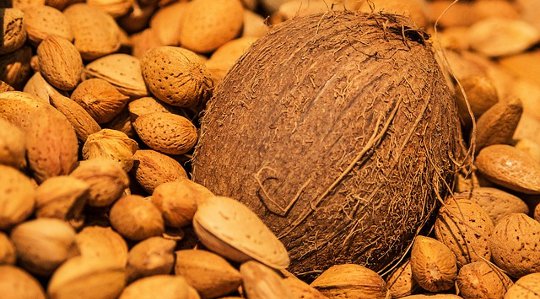 Government nutrition guidelines recommend a high carbohydrate diet regardless of the ample evidence of the health risks it promotes. Yet, chronic diseases and obesity rates have risen in correlation with a reduced intake of dietary fat. While science has moved on, nutritional advice lags behind.
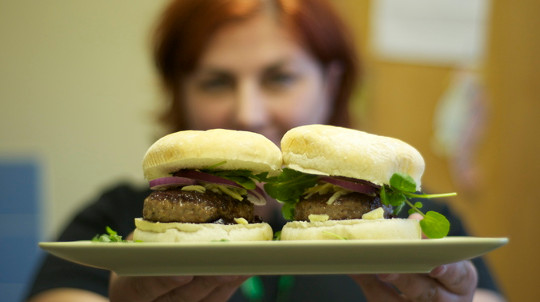 Do you eat only when you’re actually hungry? Many of us eat even when our bodies don’t need food. Just the thought of food entices us to eat. We think about food when we see other people eating, when we pass a favorite fast-food restaurant, when we see a scrumptious snack near the check-out at a convenience store.
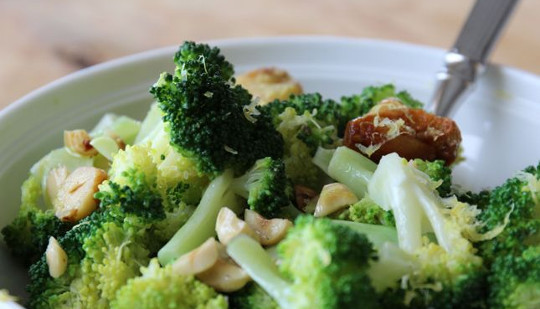 Broccoli is frequently touted as a food that can help prevent cancer, but a compound found in broccoli and other cruciferous vegetables also may treat it.
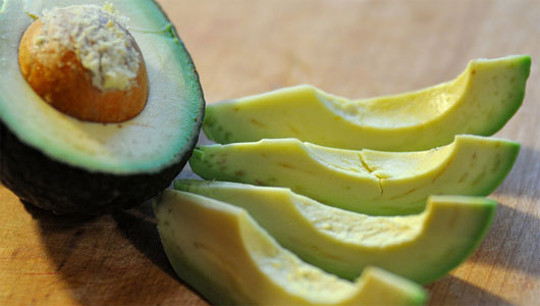 A diet containing a moderate amount of fat and one avocado may help lower “bad” cholesterol. This, in turn, could reduce the risk of heart disease, say researchers.
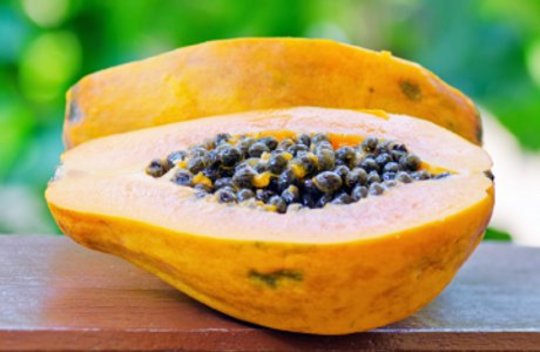
Enzymes are essential for proper functioning of our body. They are found in all living plant and animal matter. Their primary job is to maintain balanced body functions, digest food, and aid in the repair of tissue. What types of enzymes do you need? Choosing the...

Obesity and weight loss has become an obsession, such as with anorexia, bulimia, constant dieting and bingeing, when the issue of weight is clearly out of perspective. While weight control is a feminist issue, it is also a health issue. Obesity can endanger the internal organs through ...
The quest for happiness often leads to frustration, as many fail to realize that the...

Reaching sixty can evoke complex emotions, blending relief with ongoing ambition. This...

The quest for life's purpose often leads to unsatisfactory answers. This article...

Romantic love is a complex emotion shaped by historical, cultural, and biological...

Imagine going through one of the most physically and emotionally demanding experiences...

Have you ever argued over something that wasn't actually said? From cultural differences...

Daily actions often conflict with personal beliefs due to past experiences. By utilizing...

Therapists often use dream interpretation to delve into patients' emotions, but true...