
Happiness & Success
Achieving Happiness Through Acceptance of Life
The quest for happiness often leads to frustration, as many fail to realize that the...








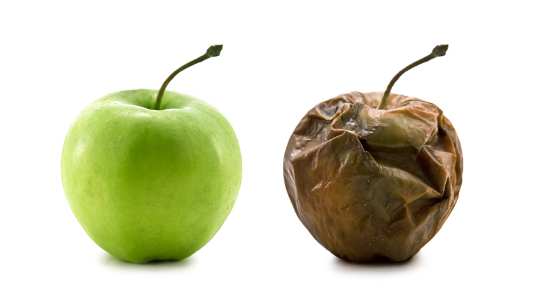
“An apple a day keeps the doctor away” says the proverb—but maybe not in China. Due to a lack of regulation and enforcement, farmers in China regularly add dangerous amounts of fertilizers, preservatives, pesticides, and other chemicals
 A hotel in Reykjavík has on display a McDonald’s burger and fries, seemingly undecomposed after 2,512 days – and counting. It was bought on October 30, 2009, the day that the last McDonald’s in Iceland closed.
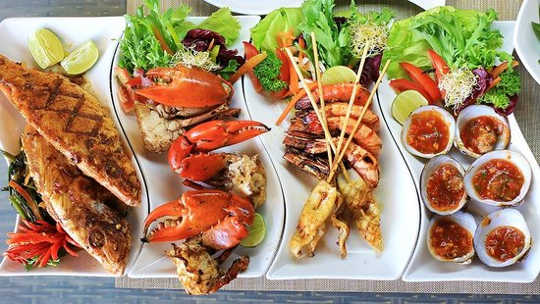 In a squalid fish farm in Yangjiang, Guangdong, farmers fed tilapia fish with the feces of pigs and geese to lower the cost of production.
 In one of television’s more bizarre recent offerings, the History Channel show “Appalachian Outlaws” follows a band of West Virginians as they hunt rugged forests for American ginseng, a medicinal root worth hundreds of dollars per pound.
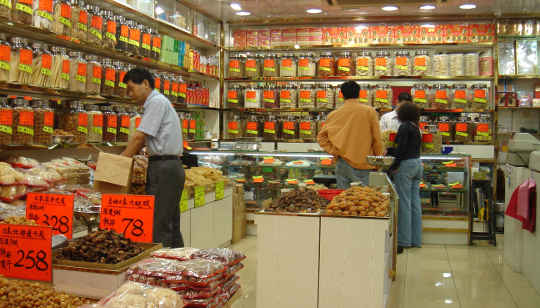 After numerous food scares in China, the Chinese have become disillusioned with the communist regime’s ability to properly regulate the food industry. And the contaminated food does not just stay in China. The U.S. Food and Drug Administration (FDA) regularly refuses shipments from China...
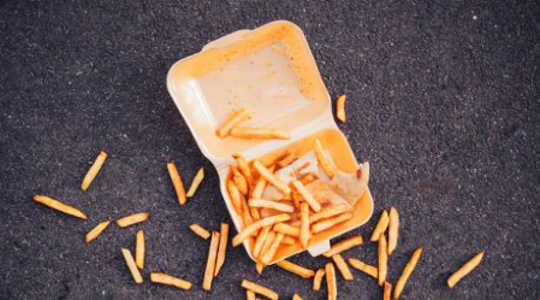 A new study complicates the “five-second rule,” the widely accepted idea that it’s okay to scoop up fallen food and eat it if you’re quick enough.
 Low levels of vitamin D are linked to an increased risk of cognitive decline and impairment in elderly Chinese people.
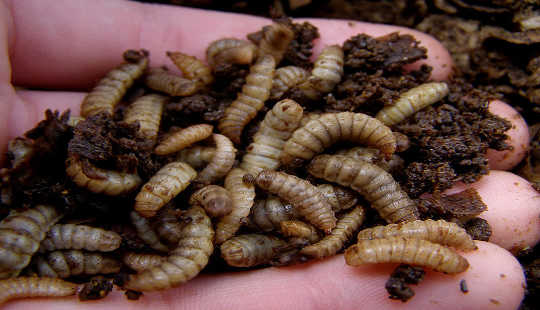 Scientists have predicted that by 2050 there will be 9.6 billion humans living on Earth. With the rise of the middle class, we are expected to increase our consumption of animal products by up to 70% using the same limited resources that we have today.
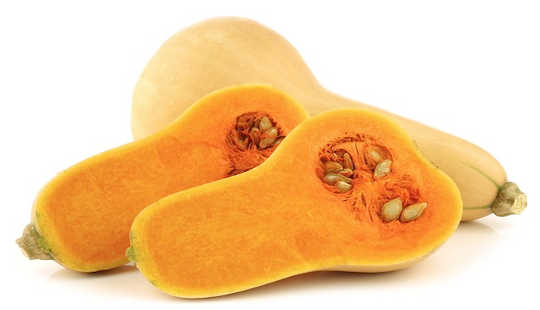
The classification of fruits and vegetables often confuses many, with common terms deviating from botanical definitions. Fruits, typically seed-bearing, attract animals for seed dispersal, while vegetables, lacking a strict definition, encompass various plant parts. This article explores the complexities of these classifications and their nutritional implications.
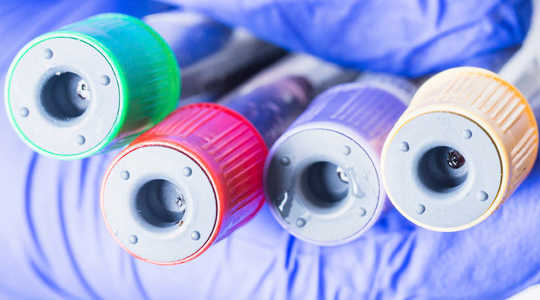 It is a hotly debated, highly researched subject: which fats are good for us and which aren’t?
 The use of food supplements and herbal medicinal products by the public, including athletes, is common practice – but it is not well regulated.
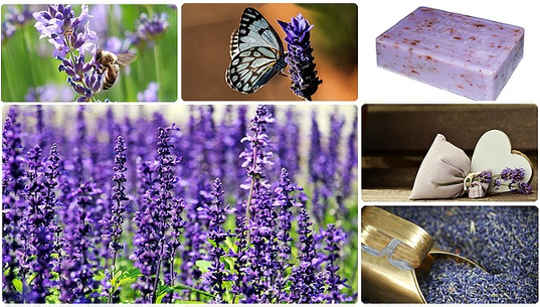 It’s easier than you think to experience the beauty and healing properties of lavender by growing and using your own fresh lavender for use in food, body care, bathing, and other purposes. It can easily be done indoors in pots or outside in your garden.
 Foraging, or wandering in search of food and plants, isn’t relegated to remote forests and idyllic fields. Edible and usable weeds are abundant in urban environments too.
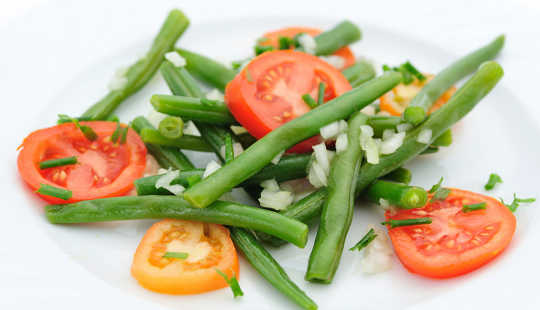 We all know the score: current trends predict there will be 9.7 billion mouths to feed by 2050. Producing enough food without using more land, exacerbating climate change or putting more pressure on water, soil and energy reserves will be challenging.
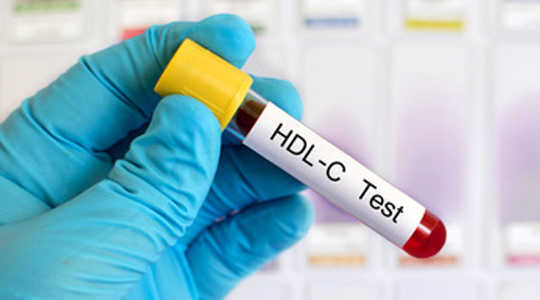
Commonly touted as “good cholesterol” for helping reduce risk of stroke and heart attack, both high and low levels of high-density lipoprotein (HDL) cholesterol may increase a risk of premature death, a new study suggests.
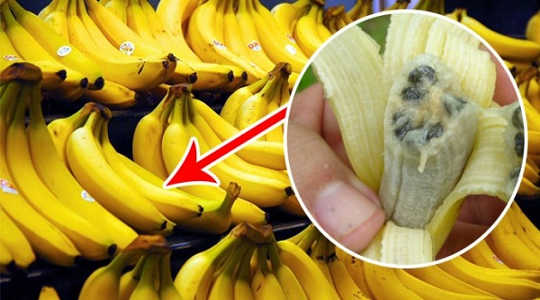 Researchers have discovered how three fungal diseases have evolved into a lethal threat to the world’s bananas.
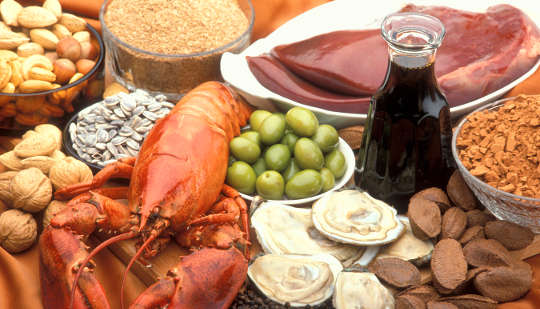 Food, nutrition and human health institutes around the world have been fighting to reduce the risks associated with consuming detrimental fatty acids that are linked to cardiovascular diseases.
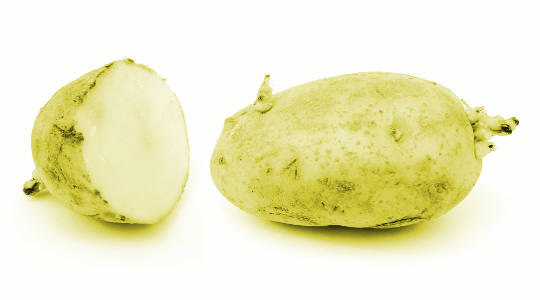 We’ve all been there, you buy some potatoes, pop them in the cupboard, and then promptly forget about them. Then the next time you open up the cupboard, you discover said potatoes have started sprouting and now resemble an alien lifeform.
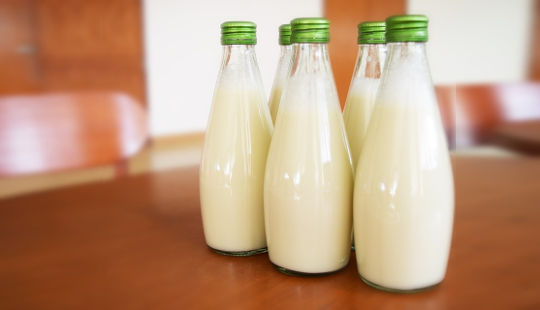 A rapid heating and cooling of milk significantly reduces the amount of harmful bacteria, extending its shelf life by several weeks.
 When I am asked by friends what I do for living, I tend to raise eyebrows because my job is somewhat odd to many city people. That’s because I’m a poultry nutritionist.
 It is an open secret: while athletes dope their bodies, regular office workers dope their brains. They buy prescription drugs such as Ritalin or Provigil on the internet’s flourishing black market to boost their cognitive performance.
The quest for happiness often leads to frustration, as many fail to realize that the...

Reaching sixty can evoke complex emotions, blending relief with ongoing ambition. This...

The quest for life's purpose often leads to unsatisfactory answers. This article...

Romantic love is a complex emotion shaped by historical, cultural, and biological...

Imagine going through one of the most physically and emotionally demanding experiences...

Daily actions often conflict with personal beliefs due to past experiences. By utilizing...

Have you ever argued over something that wasn't actually said? From cultural differences...

Therapists often use dream interpretation to delve into patients' emotions, but true...