
Happiness & Success
Achieving Happiness Through Acceptance of Life
The quest for happiness often leads to frustration, as many fail to realize that the...








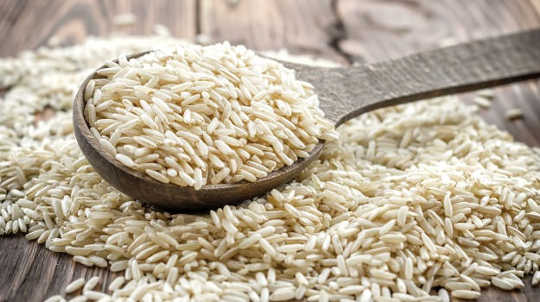 Rice is the staple food of billions of people throughout the developing world. But beyond easing hunger pains and providing carbohydrates for energy, it has little nutritional value.
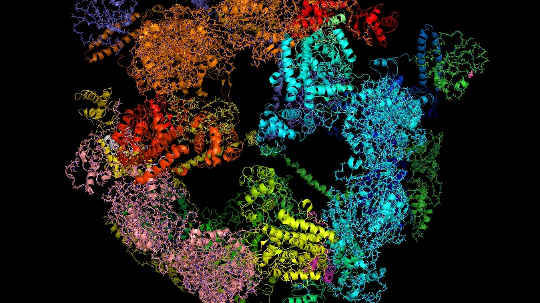 Inflammation is one of the main reasons why people with diabetes experience heart attacks, strokes, kidney problems, and other, related complications. Now a surprise finding identifies a possible trigger of chronic inflammation.
 Recent studies estimate up to 30 percent of seafood in restaurants and supermarkets is actually something other than what is listed on the menu or label.
 A review of seven research studies suggests a vitamin D deficiency might increase the risk of bladder cancer.
 The discarded bone of a chicken leg, still etched with teeth marks from a dinner thousands of years ago, provides some of the oldest known physical evidence for the introduction of domesticated chickens to the continent of Africa.
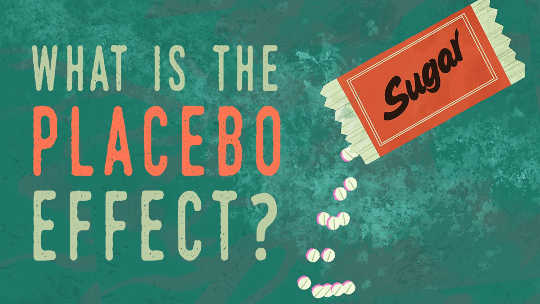 Scientists have identified for the first time the region in the brain responsible for the “placebo effect” in pain relief, when a fake treatment actually results in substantial reduction of pain.
 Depending on your genetic make-up, you might be able to drink coffee right before bed or feel wired after just one cup, ongoing research shows.
 In a small weight-loss study, women on a high-protein diet did lose weight but didn’t see improvements in insulin sensitivity, which can help lower diabetes risk.
 Researchers find no link between how hungry we feel and the number of calories we consume.
 Women who replaced an afternoon diet drink with water lost more weight and had better insulin sensitivity.
 Eating processed meat can increase your risk of getting colorectal cancer. The World Health Organisation’s International Agency for Research on Cancer (IARC) says that each 50g portion of processed meat eaten daily (about two bacon rashers) increases bowel cancer risk by 18%.
 The gut microbiota is the community of bugs, including bacteria, that live in our intestine. It has been called the body’s “forgotten organ” because of the important role it plays beyond digestion and metabolism.
 Aspirin is, like ibuprofen and Voltaren (diclofenac), a non-steroidal anti-inflammatory drug (NSAID) used to treat pain and reduce fever.
 A compound derived from the leaves of the neem plant could significantly suppress the development of prostate cancer, according to new research with mice.
 Three in five Australian adults get sucked in by promotions and specials on junk food and sugary drinks at the supermarket, research released today shows.
 Metformin is the most widely used drug to treat type 2 diabetes globally. In Australia, approximately two-thirds of patients with type 2 diabetes are prescribed metformin, either alone or in combination with other pills, or with insulin injections.
 Food scientists argue that near-infrared spectroscopy would work better than other methods to detect food fraud.
 There’s a lot of hype around edible insects. Insects are being championed as a healthy and sustainable alternative to conventional protein sources in Europe and the US, and “ento-prising” new products are appearing almost every week.
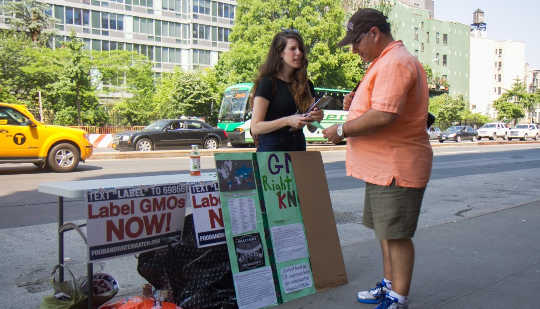 Opponents and proponents of genetically modified food have invoked science in their arguments, but science has no definitive answer.
 Lysergic acid diethylamide (LSD) is a synthetic chemical made from a substance found in a fungus that grows on rye and other grains, called ergot.
 A friend reckons he has it good. His partner cooks a bacon-hash-brown-fry-up for breakfast every day. “Are you sure?” I said. “Cause that’s exactly what I would feed my partner if I wanted to bump him off!”
The quest for happiness often leads to frustration, as many fail to realize that the...

Reaching sixty can evoke complex emotions, blending relief with ongoing ambition. This...

The quest for life's purpose often leads to unsatisfactory answers. This article...

Romantic love is a complex emotion shaped by historical, cultural, and biological...

Imagine going through one of the most physically and emotionally demanding experiences...

Daily actions often conflict with personal beliefs due to past experiences. By utilizing...

Have you ever argued over something that wasn't actually said? From cultural differences...

Therapists often use dream interpretation to delve into patients' emotions, but true...