










Happiness & Success
Achieving Happiness Through Acceptance of Life
The quest for happiness often leads to frustration, as many fail to realize that the...

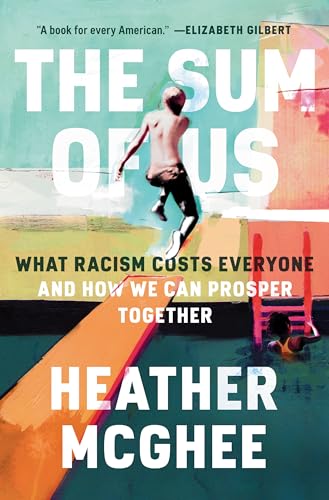
Racism costs everyone, not just its direct victims. This groundbreaking exploration reveals how the zero-sum thinking that pervades American society—the belief that progress for some must come at the expense of others—has systematically undermined the collective wellbeing of all Americans, regardless of race. Through meticulous research, compelling storytelling, and profound insight, readers discover how racial division has been deliberately weaponized to prevent the kind of solidarity that could benefit the vast majority of people.
The narrative begins with a powerful metaphor: the draining of public swimming pools across America during the civil rights era. Rather than integrate these communal spaces, many towns chose to close them entirely, denying everyone—white and Black alike—access to this public good. This pattern of self-sabotage, repeated across decades and policy domains, forms the backbone of an argument that challenges readers to reconsider everything they thought they knew about economic inequality, political dysfunction, and social progress.
Readers journey through carefully documented case studies spanning healthcare, education, infrastructure, labor rights, and environmental policy. Each example illuminates how racial resentment has been strategically deployed to dismantle programs and protections that would benefit people across the economic spectrum. The analysis reveals that opposition to universal healthcare, strong labor unions, quality public education, and environmental regulations often stems not from genuine policy disagreements but from racial anxiety—the fear that "others" might benefit equally or more from collective investment.
Read more ▼
The last hours of ancient sunlight
Thom Hartmann

Sapiens A brief Story of Human Kind
Yuval Noah Harari

A Mosaic Heart - Reshaping the Shards of a Shattered Life
Terry Jones-Brady
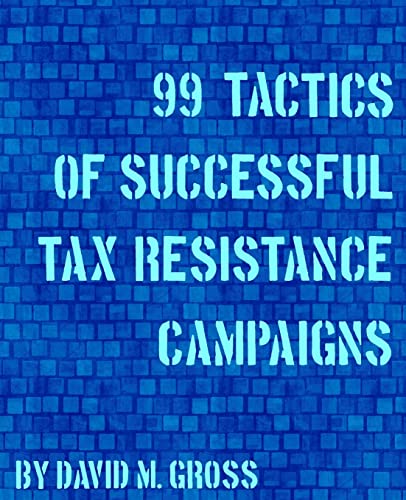
99 Tactics of Successful Tax Resistance Campaigns
David M. Gross
The quest for happiness often leads to frustration, as many fail to realize that the...

Reaching sixty can evoke complex emotions, blending relief with ongoing ambition. This...

The quest for life's purpose often leads to unsatisfactory answers. This article...

Romantic love is a complex emotion shaped by historical, cultural, and biological...

Imagine going through one of the most physically and emotionally demanding experiences...

Have you ever argued over something that wasn't actually said? From cultural differences...

Daily actions often conflict with personal beliefs due to past experiences. By utilizing...

Therapists often use dream interpretation to delve into patients' emotions, but true...