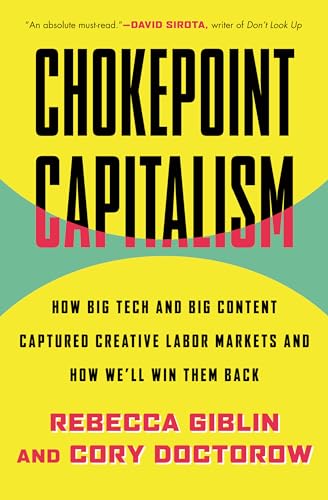















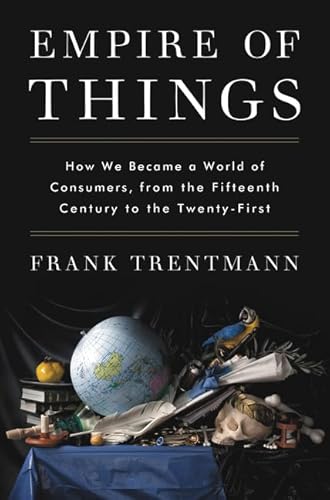

The modern creative economy operates under conditions that most people never see or understand. Artists, musicians, authors, filmmakers, and other creative professionals increasingly find themselves trapped in systems that extract enormous value from their work while leaving them with minimal compensation and little control over their creations. This book offers a critical examination of how these chokepoint systems function and, more importantly, what can be done to transform them.
At its core, this work explores the architecture of control that has come to dominate creative industries in the digital age. Rather than accepting the narrative that technology has democratized creative expression, the authors demonstrate how technological platforms have actually concentrated power in the hands of a small number of gatekeepers. Streaming services, social media platforms, and digital retailers have become essential intermediaries between creators and audiences. These intermediaries wield unprecedented power to determine what gets seen, heard, and valued in our culture, while simultaneously imposing terms that make it increasingly difficult for creative professionals to sustain their careers.
The book traces how historical patterns of exploitation have evolved and adapted to new technologies. Where once traditional publishers, record labels, and studios controlled access to distribution, today's digital platforms maintain similarly restrictive control through different mechanisms. The result is strikingly similar: creators capture a diminishing share of the value generated by their work, while platform owners accumulate wealth and power that would have seemed unimaginable in previous eras. This dynamic has profound implications for cultural diversity, artistic freedom, and the viability of creative professions as sustainable careers.
What makes this exploration particularly valuable is its refusal to accept technological determinism. The authors convincingly argue that the current state of creative industries is not inevitable, nor is it simply the natural outcome of digital innovation. Instead, these conditions result from specific policy choices, legal frameworks, and business decisions that could be different. By understanding how the present system was constructed, we gain insight into how it might be reconstructed along more equitable lines.
The work examines concrete strategies for disrupting chokepoints and redistributing power. Rather than offering utopian fantasies, the authors present practical approaches grounded in both historical precedent and contemporary experimentation. These include exploring alternative business models, supporting cooperative platforms, advocating for regulatory reform, and building infrastructure that serves creators rather than exploiting them. The authors demonstrate that change is possible and that numerous alternatives already exist in various forms.
For readers concerned with social consciousness and systemic transformation, this analysis reveals how personal economic choices connect to larger structural problems. When we consume creative content through concentrated platforms, we participate in systems that may actively harm the creators whose work we value. Understanding these connections is essential for anyone interested in building a more just and equitable society.
The implications extend far beyond individual artists and musicians. Creative industries shape culture, influence how we understand the world, and reflect society's values back to itself. When these industries are controlled by distant corporations optimizing primarily for profit extraction, we all lose something essential. Diverse voices get suppressed, experimental work becomes less viable, and cultural production increasingly reflects the narrow interests of those in power rather than the full spectrum of human creativity and expression.
This examination also connects to broader questions about technology, power, and social organization. As digital platforms become increasingly central to how we communicate, share information, and express ourselves, the principles of fair compensation, creative control, and equitable distribution become increasingly relevant to all of us, not just professional artists.
For those seeking to understand the hidden structures shaping contemporary life and working toward more conscious, equitable alternatives, this analysis provides essential insight and practical direction for meaningful change.