











Happiness & Success
Achieving Happiness Through Acceptance of Life
The quest for happiness often leads to frustration, as many fail to realize that the...

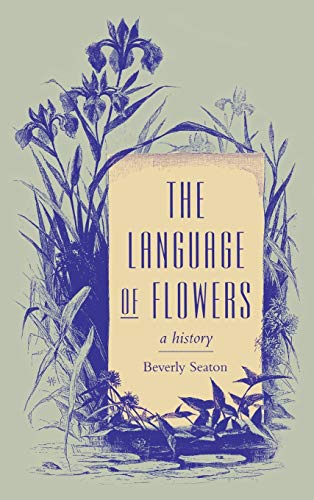
# A Journey into the Hidden Messages of Nature's Most Eloquent Teachers
Throughout human history, flowers have served as silent messengers of emotion, meaning, and intention. Yet few of us truly understand the profound language they speak, or recognize how deeply this botanical vocabulary has shaped our emotional expressions and cultural consciousness. This exploration reveals how flowers became humanity's most poetic method of communication and what this symbolic language reveals about ourselves.
The history of floral symbolism represents far more than aesthetic decoration or romantic gesture. It constitutes a complete system of meaning that emerged across centuries and continents, encoding feelings too delicate, dangerous, or socially forbidden to express directly through words. In Victorian times, when rigid social conventions severely restricted personal expression, flowers became an essential tool for conveying truth, affection, rebellion, and warning. A carefully chosen bouquet could communicate what the human voice could never safely say aloud. Red roses declared passionate love. Yellow flowers whispered accusations of jealousy. White blossoms symbolized innocence or, conversely, death depending on the context.
Read more ▼
Sylvia Boorstein
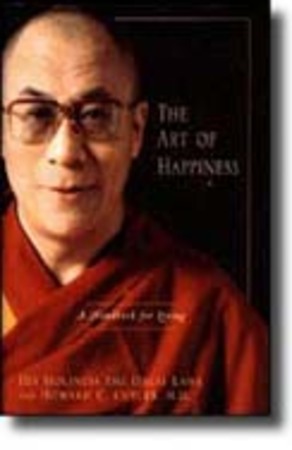
His Holiness Tenzin Gyatso the XIV Dalai Lama, Howard C. Cutler
52 things you can do to raise your self-esteem
Jerry Minchinton
The quest for happiness often leads to frustration, as many fail to realize that the...

Reaching sixty can evoke complex emotions, blending relief with ongoing ambition. This...

The quest for life's purpose often leads to unsatisfactory answers. This article...

Imagine going through one of the most physically and emotionally demanding experiences...

Romantic love is a complex emotion shaped by historical, cultural, and biological...

Daily actions often conflict with personal beliefs due to past experiences. By utilizing...

Have you ever argued over something that wasn't actually said? From cultural differences...

Therapists often use dream interpretation to delve into patients' emotions, but true...