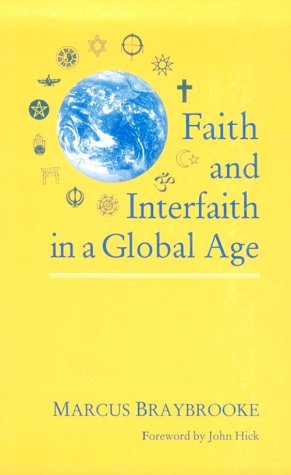








In an increasingly interconnected world where people of different faiths live side by side, work together, and build communities across traditional religious boundaries, the question of how we can peacefully coexist becomes more urgent than ever. This exploration addresses one of the most pressing challenges of our time: how individuals can honor their own spiritual traditions while respecting and understanding the profound beliefs of others.
The fundamental premise centers on a timeless truth that often gets lost in our polarized world: beneath the different languages, rituals, and theological frameworks of the world's major religions lie common human yearnings for meaning, purpose, and connection to something greater than ourselves. Whether someone follows Christianity, Islam, Judaism, Hinduism, Buddhism, or any other spiritual path, the deep human need to understand our place in the universe and to live ethically remains constant. This work invites readers to explore how recognizing these shared foundations can transform our approach to faith and spirituality in the modern age.
What unfolds throughout these pages is a comprehensive examination of the landscape of global spirituality. Readers will discover how major world religions have developed, how they intersect with one another, and where surprising similarities emerge when we look beyond surface-level differences. More importantly, the narrative explores practical pathways for developing genuine interfaith understanding, not as a watered-down compromise of individual beliefs, but as a deepening of spiritual maturity and personal consciousness.
One of the most valuable insights readers will gain is the distinction between tolerance and true dialogue. Tolerance, while necessary, often means simply enduring those different from ourselves. Genuine interfaith engagement, by contrast, invites active participation in understanding others' worldviews, asking thoughtful questions, and allowing our perspectives to be enriched by what we learn. This shift in approach opens doors to personal transformation that extends far beyond intellectual agreement. It challenges us to examine our own assumptions, to question inherited beliefs we have never questioned, and to develop greater compassion and humility.
For those on a personal growth journey, this exploration offers concrete benefits. By engaging with diverse spiritual traditions, readers expand their own spiritual vocabulary and discover practices that might enhance their own faith traditions. Meditation techniques from Buddhism, contemplative prayer from Christian traditions, the emphasis on justice found in prophetic Judaism and Islam, the integrated spirituality of indigenous traditions—all offer valuable resources for deepening one's own spiritual life. This is not about adopting another's religion wholesale, but rather recognizing that wisdom exists in many forms and that our own faith is enriched by exposure to these different approaches.
Furthermore, in our increasingly diverse societies, the ability to engage across lines of faith has become essential for social cohesion and personal peace. Those who learn to navigate interfaith relationships with genuine understanding find themselves better equipped to build meaningful connections with colleagues, neighbors, and friends who may hold different beliefs. This capacity directly impacts our experience of community, our ability to work together on shared social concerns, and ultimately, our personal sense of belonging and contribution to the world.
The work also addresses the reality that many individuals today are on spiritual journeys that don't fit neatly into traditional categories. Some people draw from multiple traditions, others have left religions of their childhood and are seeking new spiritual homes, and still others are trying to help their children understand and respect the diverse beliefs they encounter. For these seekers, understanding how different faiths complement rather than contradict one another becomes personally liberating.
Ultimately, this exploration serves as both a map and a mirror—a map for navigating our pluralistic world with grace and wisdom, and a mirror reflecting back our own capacity for growth, understanding, and spiritual evolution. In a global age characterized by both unprecedented connection and significant division, developing genuine interfaith understanding emerges not as a luxury for the spiritually elite, but as an essential skill for conscious living and genuine personal empowerment.