












Happiness & Success
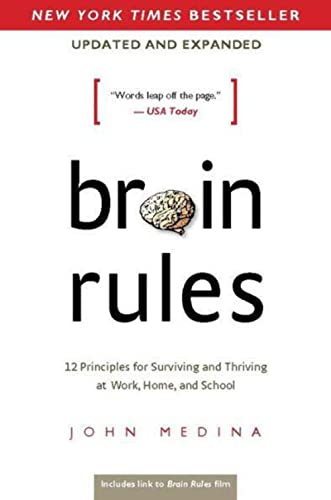
Achieving Happiness Through Acceptance of Life
The quest for happiness often leads to frustration, as many fail to realize that the...

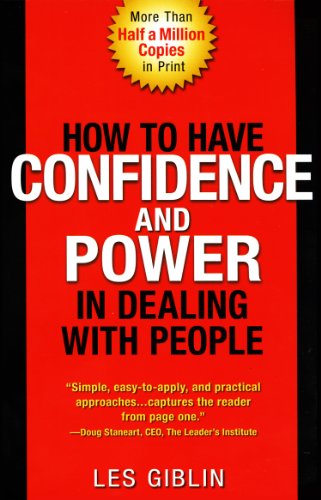
Building genuine confidence in social situations and developing the ability to positively influence others represents one of the most valuable skill sets anyone can acquire. These capabilities touch virtually every aspect of life, from professional advancement to personal relationships, yet many people struggle with feelings of inadequacy or uncertainty when interacting with others. A practical, time-tested approach to mastering human relations reveals that confidence isn't something you're born with—it's a learnable skill that develops through understanding fundamental psychological principles and applying specific techniques.
At the heart of effective human interaction lies a profound yet simple truth: people are primarily interested in themselves. This isn't a criticism of human nature but rather an acknowledgment of psychological reality. Once you understand and accept this principle, you gain access to tremendous power in dealing with others. Rather than viewing this as manipulative, it becomes a compassionate approach to meeting people where they are, speaking to their interests, and creating genuine connections that benefit everyone involved.
The practical wisdom shared here emerged from extensive experience in sales, management, and human relations training. Unlike purely theoretical approaches, these methods have been tested in real-world situations by thousands of people across diverse circumstances. The techniques work because they align with fundamental human psychology rather than fighting against it. They don't require you to become someone you're not or adopt an artificial persona. Instead, they help you become more effective as yourself by understanding how people think, feel, and respond.
Read more ▼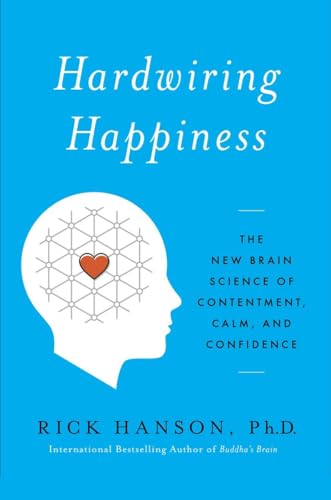
Hanson, Rick (Psychologist)

David J. Chalmers

Shirley Knapp, Nanette McLane
The quest for happiness often leads to frustration, as many fail to realize that the...

Reaching sixty can evoke complex emotions, blending relief with ongoing ambition. This...

The quest for life's purpose often leads to unsatisfactory answers. This article...

Romantic love is a complex emotion shaped by historical, cultural, and biological...

Imagine going through one of the most physically and emotionally demanding experiences...

Daily actions often conflict with personal beliefs due to past experiences. By utilizing...

Have you ever argued over something that wasn't actually said? From cultural differences...

Therapists often use dream interpretation to delve into patients' emotions, but true...