





Happiness & Success
Achieving Happiness Through Acceptance of Life
The quest for happiness often leads to frustration, as many fail to realize that the...

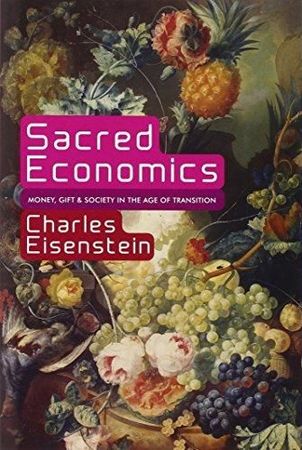
Money shapes our world in ways both visible and invisible, determining not just what we can buy but how we relate to one another, to nature, and to the sacred dimensions of existence. Yet the current monetary system, built on principles of scarcity, interest, and endless growth, has brought humanity to a crossroads where environmental devastation, economic inequality, and spiritual emptiness converge. A radical reimagining of economics offers a pathway toward a more beautiful world, one where money serves life rather than diminishing it.
At the heart of our economic crisis lies a deeper crisis of meaning. The same system that has generated unprecedented material abundance has also created unprecedented levels of debt, both financial and ecological. Interest-bearing money compels endless growth on a finite planet, transforming forests into timber, mountains into minerals, and human attention into commodities. This examination reveals how our economic structures separate us from the gift economy that once bound communities together, replacing reciprocity and relationship with impersonal transactions.
The exploration begins with understanding money as a story, a shared agreement about value that shapes reality itself. When money earns interest, it must grow exponentially, requiring the constant conversion of nature and social capital into commodities. This process, known as enclosure, has been transforming the commons for centuries, turning shared resources, knowledge, and relationships into private property. From land and water to genes and culture, nearly everything that was once freely given has been monetized and sold.
Read more ▼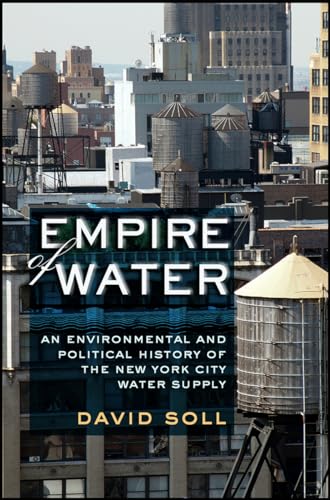
David Soll
Neale Donald Walsch

B. K. S. Iyengar
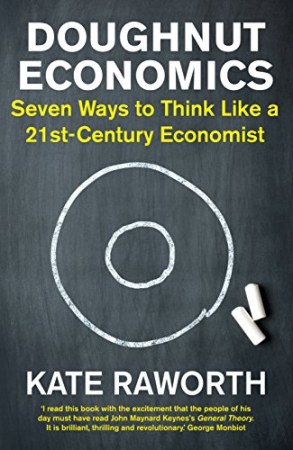
Kate Raworth
The quest for happiness often leads to frustration, as many fail to realize that the...

Reaching sixty can evoke complex emotions, blending relief with ongoing ambition. This...

The quest for life's purpose often leads to unsatisfactory answers. This article...

Romantic love is a complex emotion shaped by historical, cultural, and biological...

Imagine going through one of the most physically and emotionally demanding experiences...

Have you ever argued over something that wasn't actually said? From cultural differences...

Daily actions often conflict with personal beliefs due to past experiences. By utilizing...

Therapists often use dream interpretation to delve into patients' emotions, but true...