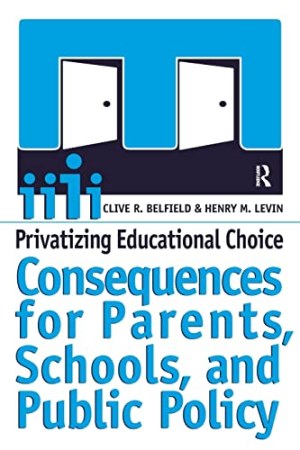























Educational systems shape not only what children learn but how they develop as empowered individuals capable of making informed choices throughout their lives. Understanding the mechanisms behind educational reform, particularly those involving privatization and market-based approaches, offers crucial insights for anyone invested in personal empowerment, community transformation, and creating a more conscious society.
At the heart of this comprehensive examination lies a fundamental question that affects every family, taxpayer, and citizen: How do we create educational systems that truly serve individual needs while promoting collective wellbeing? The exploration delves deep into various models of school choice, including voucher programs, charter schools, and other market-oriented reforms that have increasingly shaped educational landscapes across America and beyond.
Readers will discover a thorough analysis of how economic principles apply to education, revealing both the promises and pitfalls of treating education as a marketplace commodity. The examination goes beyond superficial political rhetoric to provide evidence-based insights into what actually happens when privatization enters the educational sphere. Through rigorous research and clear presentation, complex policy debates become accessible to anyone seeking to understand these transformative forces.
One of the most valuable aspects explored involves the concept of educational equity and how different reform approaches affect various communities. Those interested in social justice and conscious living will find particularly relevant discussions about how privatization impacts families from different socioeconomic backgrounds, racial and ethnic groups, and geographic locations. These insights prove essential for understanding whether market-based reforms truly expand opportunity or potentially deepen existing inequalities.
The analysis extends into practical considerations that directly impact families making educational choices for their children. Readers gain frameworks for evaluating schools beyond simple test scores, understanding the full costs and benefits of different educational options, and recognizing how information asymmetries can affect decision-making. For parents seeking to make empowered choices about their children's education, these tools prove invaluable.
Beyond individual family considerations, the examination addresses broader implications for democratic participation and community cohesion. Education has historically served not only to develop individual potential but to create shared civic understanding and social bonds. The exploration of how privatization affects these collective dimensions offers crucial insights for anyone concerned about building conscious, connected communities capable of addressing contemporary challenges.
Those interested in personal empowerment will appreciate the thorough investigation of how educational systems either foster or constrain individual agency. The analysis reveals how different organizational structures, incentive systems, and accountability mechanisms shape the ability of students, parents, and teachers to exercise meaningful choice and influence. Understanding these dynamics empowers readers to advocate more effectively for systems that genuinely serve human flourishing.
The research presented draws from multiple disciplines, integrating economics, sociology, political science, and educational research to provide a holistic perspective. This interdisciplinary approach aligns well with readers who value comprehensive understanding over simplistic solutions. The examination challenges both market fundamentalists and those reflexively opposed to any private sector involvement, encouraging nuanced thinking that transcends ideological divides.
Particularly relevant for conscious readers is the exploration of values and priorities embedded within different educational models. What gets measured and rewarded reveals what society truly values. The analysis helps readers recognize how seemingly technical policy choices reflect deeper assumptions about human nature, social organization, and collective purpose.
For those engaged in personal transformation work, understanding educational systems provides insights into how institutions shape consciousness from early childhood forward. Recognizing these formative influences enables more intentional choices about education for future generations and informs broader efforts toward social transformation.
The presentation ultimately equips readers to participate more meaningfully in educational debates affecting their communities, to make more informed choices about their children's education, and to understand connections between educational policy and broader questions of social justice, individual empowerment, and collective wellbeing. This knowledge proves essential for anyone committed to creating more conscious, equitable, and empowering systems for human development.