







Happiness & Success
Achieving Happiness Through Acceptance of Life
The quest for happiness often leads to frustration, as many fail to realize that the...

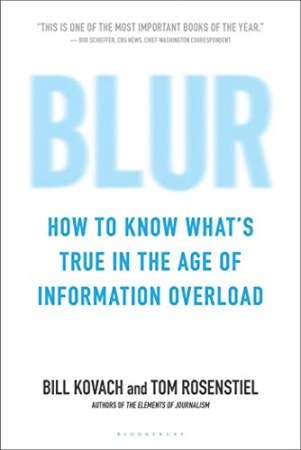
In an age where information floods our consciousness from countless sources every moment of every day, the ability to discern truth from fiction has become not just a practical skill but a form of personal empowerment essential to living an authentic, conscious life. This groundbreaking work illuminates the profound challenges facing anyone seeking to make informed decisions in a world where the lines between news, entertainment, propaganda, and fact have become dangerously blurred.
At its core, this exploration addresses a fundamental question that affects every aspect of our personal growth and social consciousness: How do we know what is true? In a media landscape transformed by digital technology, social networks, and the collapse of traditional gatekeepers, citizens face an unprecedented responsibility. The burden of verification, once carried by professional journalists and established institutions, has shifted partially onto individuals. This democratization of information brings both liberation and peril, offering unprecedented access to knowledge while simultaneously exposing us to manipulation, misinformation, and carefully crafted deceptions.
Readers embarking on this journey will discover a comprehensive framework for understanding the new information ecosystem and developing the critical thinking skills necessary to navigate it successfully. The examination goes far beyond simple media criticism, offering instead a profound investigation into how information shapes our beliefs, influences our decisions, and ultimately determines the quality of our lives and the health of our communities. For those committed to personal transformation and conscious living, understanding these dynamics becomes essential to breaking free from unconscious consumption of information and stepping into a more empowered relationship with knowledge itself.
Read more ▼
Alice A. Bailey

Ernesto Ortiz
Mark Schatzker

Jeanette Winterson
The quest for happiness often leads to frustration, as many fail to realize that the...

Reaching sixty can evoke complex emotions, blending relief with ongoing ambition. This...

The quest for life's purpose often leads to unsatisfactory answers. This article...

Imagine going through one of the most physically and emotionally demanding experiences...

Romantic love is a complex emotion shaped by historical, cultural, and biological...

Daily actions often conflict with personal beliefs due to past experiences. By utilizing...

Have you ever argued over something that wasn't actually said? From cultural differences...

Therapists often use dream interpretation to delve into patients' emotions, but true...