










Happiness & Success
Achieving Happiness Through Acceptance of Life
The quest for happiness often leads to frustration, as many fail to realize that the...

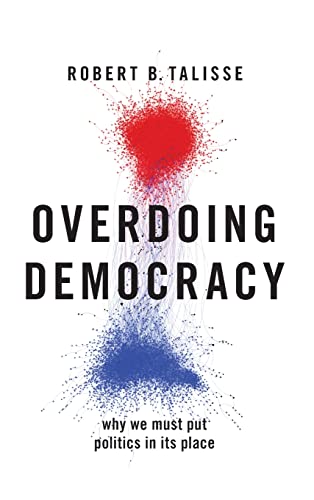
Democracy promises to bring us together through shared self-governance, yet increasingly it seems to drive us apart. Citizens find themselves trapped in political bubbles, unable to communicate across ideological divides, and viewing those with different political views not merely as opponents but as enemies. Family dinners become minefields of potential conflict, friendships dissolve over political disagreements, and communities fragment along partisan lines. This escalating polarization isn't just uncomfortable—it threatens the very foundations of democratic life and our personal wellbeing.
What readers will discover is a provocative diagnosis of why our democratic politics has become so toxic and divisive. The central insight challenges a common assumption: that the solution to democracy's problems is always more democracy, more political engagement, and more civic participation. Instead, a compelling case emerges that we have actually overdone democracy by allowing politics to infiltrate every aspect of our lives, transforming all our relationships and institutions into political battlegrounds.
The exploration begins by examining how contemporary citizens have become what might be called "political identity fundamentalists." Our political affiliations have evolved from mere preferences about policies into core components of our identities, shaping not just how we vote but who we befriend, where we live, what we watch, and how we understand ourselves. This politicization of identity creates a feedback loop where we increasingly surround ourselves with the like-minded, reinforcing our existing beliefs while growing ever more suspicious and hostile toward those who think differently.
Read more ▼
War Is a Force that Gives Us Meaning
Chris Hedges
Anam Thubten

Love warps the mind a little / John Dufresne.
John Dufresne

Martin Luther King Jr.
The quest for happiness often leads to frustration, as many fail to realize that the...

Reaching sixty can evoke complex emotions, blending relief with ongoing ambition. This...

The quest for life's purpose often leads to unsatisfactory answers. This article...

Romantic love is a complex emotion shaped by historical, cultural, and biological...

Imagine going through one of the most physically and emotionally demanding experiences...

Have you ever argued over something that wasn't actually said? From cultural differences...

Daily actions often conflict with personal beliefs due to past experiences. By utilizing...

Therapists often use dream interpretation to delve into patients' emotions, but true...