





Happiness & Success
Achieving Happiness Through Acceptance of Life
The quest for happiness often leads to frustration, as many fail to realize that the...

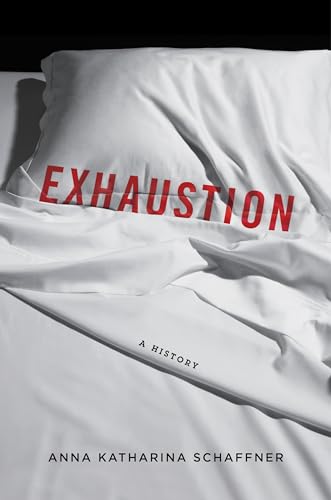
Feeling drained, depleted, and perpetually tired has become a defining condition of contemporary life. Yet this experience of profound weariness is far from new. Through a fascinating exploration spanning over two thousand years of history, this illuminating work reveals how exhaustion has been understood, experienced, and treated across different eras and cultures, offering readers profound insights into their own fatigue and unprecedented clarity about one of modern life's most pervasive challenges.
Drawing on medicine, literature, philosophy, and cultural history, readers embark on an intellectual journey that begins with ancient humoral theory and extends to today's burnout epidemic. Each historical period reveals unique interpretations of tiredness, from medieval acedia afflicting monks to eighteenth-century nervous exhaustion among the elite, from Victorian neurasthenia to twentieth-century chronic fatigue syndrome. What emerges is a compelling narrative demonstrating that how societies understand exhaustion shapes both individual experience and available remedies.
One of the most valuable insights readers will gain is recognizing that exhaustion exists at the intersection of body, mind, and culture. Rather than being merely a biological phenomenon with straightforward causes, fatigue emerges as deeply entangled with prevailing beliefs about human nature, productivity, morality, and meaning. This understanding liberates readers from simplistic explanations and opens possibilities for more nuanced self-reflection about their own tiredness.
Read more ▼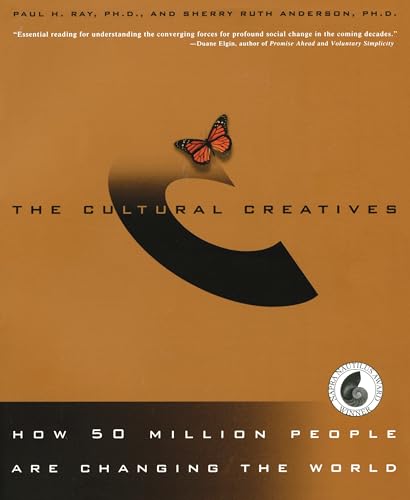
Paul H. Ray, Paul H. Phd Ray, Sherry Ruth Anderson
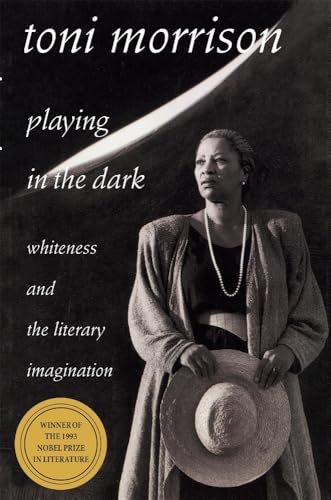
Toni Morrison

Andrew Wilson
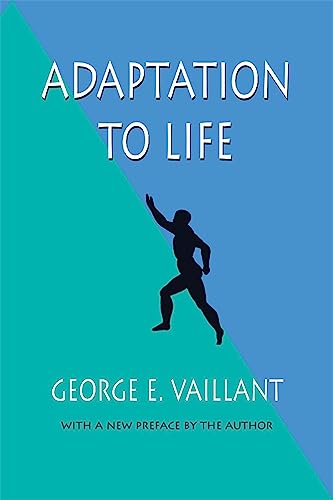
George E. Vaillant
The quest for happiness often leads to frustration, as many fail to realize that the...

Reaching sixty can evoke complex emotions, blending relief with ongoing ambition. This...

The quest for life's purpose often leads to unsatisfactory answers. This article...

Imagine going through one of the most physically and emotionally demanding experiences...

Romantic love is a complex emotion shaped by historical, cultural, and biological...

Daily actions often conflict with personal beliefs due to past experiences. By utilizing...

Have you ever argued over something that wasn't actually said? From cultural differences...

Therapists often use dream interpretation to delve into patients' emotions, but true...