












Happiness & Success
Achieving Happiness Through Acceptance of Life
The quest for happiness often leads to frustration, as many fail to realize that the...

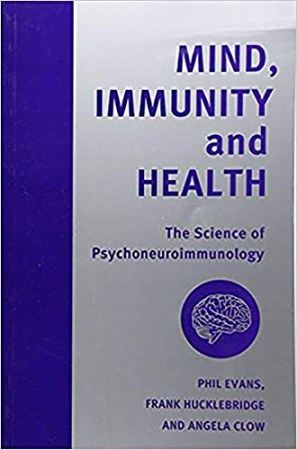
At the intersection of psychology, immunology, and neuroscience lies one of the most fascinating discoveries of modern medicine: the profound connection between our mental states and our physical health. This groundbreaking exploration reveals how thoughts, emotions, and stress directly influence the immune system's ability to protect us from disease, offering readers a transformative understanding of the mind-body relationship that can fundamentally change how they approach wellness.
Drawing on decades of scientific research in the emerging field of psychoneuroimmunology, this comprehensive work demystifies the complex biological pathways linking the brain, the nervous system, and the immune system. Readers will discover how psychological stress triggers cascading hormonal changes that can either strengthen or suppress immune function, explaining why periods of emotional turmoil so often coincide with physical illness. The scientific evidence presented demonstrates that our mental and emotional lives are not separate from our physical health but are intimately intertwined in ways that traditional Western medicine has only recently begun to acknowledge.
The exploration begins by laying a solid foundation in immunology, explaining in accessible language how the immune system functions as the body's defense mechanism against pathogens, cancer cells, and other threats. Rather than presenting dry technical information, the content makes these complex biological processes understandable to readers without scientific backgrounds, using clear explanations and relevant examples. Understanding these fundamentals becomes essential for grasping the revolutionary implications of how psychological factors modulate immune responses.
Read more ▼
Jonathan K. DeYoe
Change the story of your health
Carl Greer

The dark side of the light chasers
Debbie Ford
Barry Long
The quest for happiness often leads to frustration, as many fail to realize that the...

Reaching sixty can evoke complex emotions, blending relief with ongoing ambition. This...

The quest for life's purpose often leads to unsatisfactory answers. This article...

Romantic love is a complex emotion shaped by historical, cultural, and biological...

Imagine going through one of the most physically and emotionally demanding experiences...

Have you ever argued over something that wasn't actually said? From cultural differences...

Daily actions often conflict with personal beliefs due to past experiences. By utilizing...

Therapists often use dream interpretation to delve into patients' emotions, but true...