











Happiness & Success
Achieving Happiness Through Acceptance of Life
The quest for happiness often leads to frustration, as many fail to realize that the...

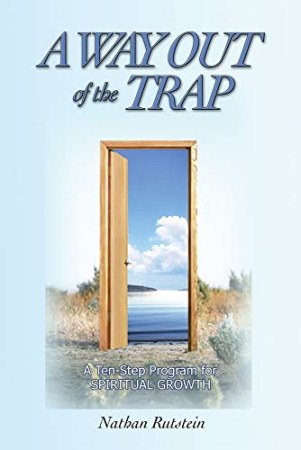
Racism remains one of the most devastating forces undermining human progress and personal well-being in contemporary society. Despite decades of civil rights advances and growing awareness, the corrosive effects of racial prejudice continue to fragment communities, damage relationships, and create barriers to individual fulfillment. Understanding the psychological mechanisms that perpetuate racism and discovering practical pathways toward genuine healing represents essential work for anyone committed to personal growth and social transformation.
This profound exploration delves into the psychological trap of racism, examining how prejudicial thinking patterns become embedded in both individual consciousness and collective social structures. Rather than approaching racism as merely a political or social issue, the work presents it as a fundamental spiritual crisis that affects every dimension of human experience. Readers discover how racial prejudice operates as a form of spiritual disease, one that damages both those who harbor prejudicial attitudes and those who suffer from discrimination.
The examination goes far beyond surface-level discussions of tolerance or diversity training. Instead, it provides a deep psychological and spiritual analysis of how racist attitudes form, why they persist despite rational arguments against them, and what genuine transformation requires. Readers gain insight into the unconscious mechanisms that allow well-meaning individuals to perpetuate harmful patterns while sincerely believing they hold no prejudice. This honest confrontation with the subtle ways racism manifests in thought, speech, and behavior creates opportunities for authentic self-examination.
Read more ▼
Anaiya Sophia
Malidoma Patrice Somé, Malidoma Patrice Some, Malidoma Some

Meredith L. Young-Sowers
The quest for happiness often leads to frustration, as many fail to realize that the...

Reaching sixty can evoke complex emotions, blending relief with ongoing ambition. This...

The quest for life's purpose often leads to unsatisfactory answers. This article...

Romantic love is a complex emotion shaped by historical, cultural, and biological...

Imagine going through one of the most physically and emotionally demanding experiences...

Have you ever argued over something that wasn't actually said? From cultural differences...

Daily actions often conflict with personal beliefs due to past experiences. By utilizing...

Therapists often use dream interpretation to delve into patients' emotions, but true...