
















Happiness & Success
Achieving Happiness Through Acceptance of Life
The quest for happiness often leads to frustration, as many fail to realize that the...


For decades, Americans have sensed something fundamental shifting beneath their feet. Middle-class security that once seemed like a birthright has eroded. The promise that hard work leads to prosperity feels increasingly hollow. Communities that thrived for generations now struggle while wealth concentrates at the very top. What many perceive as random economic forces or inevitable globalization is revealed here as something far more deliberate: a coordinated transformation of American capitalism and democracy engineered over the past fifty years.
This deeply researched investigation traces how a powerful coalition of corporate executives, wealthy individuals, and right-wing intellectuals systematically dismantled the post-World War II economic consensus that had created the most prosperous middle class in human history. Beginning in the 1970s, this network launched an ambitious campaign to reshape American institutions, laws, regulations, and even the national mindset about fairness, opportunity, and the role of government. Their success represents one of the most consequential yet underappreciated stories of our time.
Readers discover how coordinated efforts transformed tax policy, labor laws, antitrust enforcement, financial regulation, and corporate governance. These weren't accidental developments or natural market evolutions but rather deliberate strategies pursued through think tanks, academic institutions, legal challenges, lobbying campaigns, and media influence. The transformation touched every aspect of American economic life, from how corporations compensated executives to how workers could organize, from what financial institutions could do to how much the wealthy paid in taxes.
Read more ▼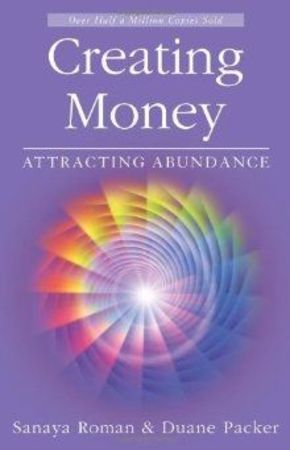
Sanaya Roman, Duane Packer

Arjuna Ardagh

Naomi Klein

Caroline Criado Perez
The quest for happiness often leads to frustration, as many fail to realize that the...

Reaching sixty can evoke complex emotions, blending relief with ongoing ambition. This...

The quest for life's purpose often leads to unsatisfactory answers. This article...

Imagine going through one of the most physically and emotionally demanding experiences...

Romantic love is a complex emotion shaped by historical, cultural, and biological...

Daily actions often conflict with personal beliefs due to past experiences. By utilizing...

Have you ever argued over something that wasn't actually said? From cultural differences...

Therapists often use dream interpretation to delve into patients' emotions, but true...