



Happiness & Success
Achieving Happiness Through Acceptance of Life
The quest for happiness often leads to frustration, as many fail to realize that the...

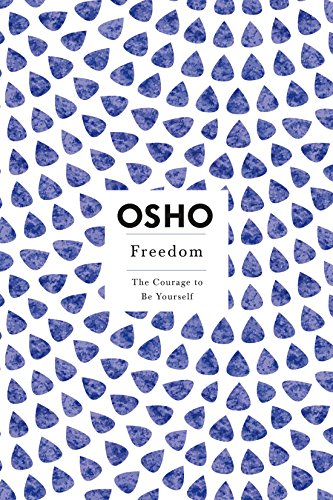
At the intersection of political freedom and spiritual liberation lies a profound exploration of what it truly means to be free. This work challenges conventional notions of democracy, governance, and individual autonomy by examining the psychological and spiritual dimensions that underpin all political systems. Rather than offering another analysis of governmental structures or policy frameworks, these teachings illuminate how external political freedom remains incomplete without the internal revolution of consciousness.
The fundamental premise presented here is that humanity's political problems stem from a deeper crisis of awareness. Societies create elaborate systems of governance, laws, and democratic processes, yet these external arrangements cannot address the root causes of human conflict, oppression, and suffering. True freedom begins with the individual's awakening to their own conditioning, biases, and unconscious patterns that perpetuate the very systems they may consciously oppose. Without this inner transformation, democracy becomes merely a sophisticated form of collective unconsciousness, where the blind lead the blind through the ballot box.
Readers will encounter a radical critique of conventional politics that transcends traditional left-right divisions. The exploration reveals how political ideologies—whether capitalist, socialist, or any variation—often serve as substitutes for genuine self-knowledge. People identify with political movements and parties as a way to avoid confronting their own inner emptiness and fear. This identification creates a false sense of purpose and belonging while keeping individuals trapped in cycles of reaction and opposition rather than conscious response and creative action.
Read more ▼
Nancy MacLean

Robert Hieronimus, Laura E. Cortner
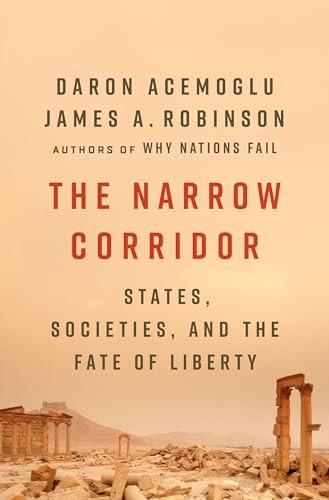
The Narrow Corridor: States, Societies, and the Fate of Liberty
Daron Acemoglu, James A. Robinson
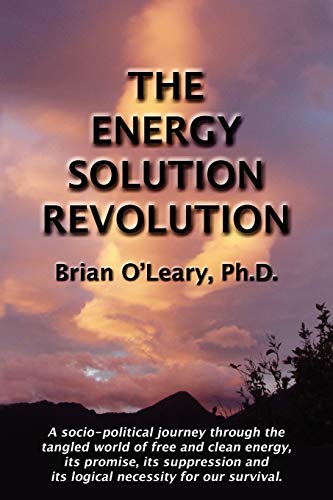
The Energy Solution Revolution
Brian O'Leary
The quest for happiness often leads to frustration, as many fail to realize that the...

Reaching sixty can evoke complex emotions, blending relief with ongoing ambition. This...

The quest for life's purpose often leads to unsatisfactory answers. This article...

Imagine going through one of the most physically and emotionally demanding experiences...

Romantic love is a complex emotion shaped by historical, cultural, and biological...

Daily actions often conflict with personal beliefs due to past experiences. By utilizing...

Have you ever argued over something that wasn't actually said? From cultural differences...

Therapists often use dream interpretation to delve into patients' emotions, but true...