
Health & Wellness
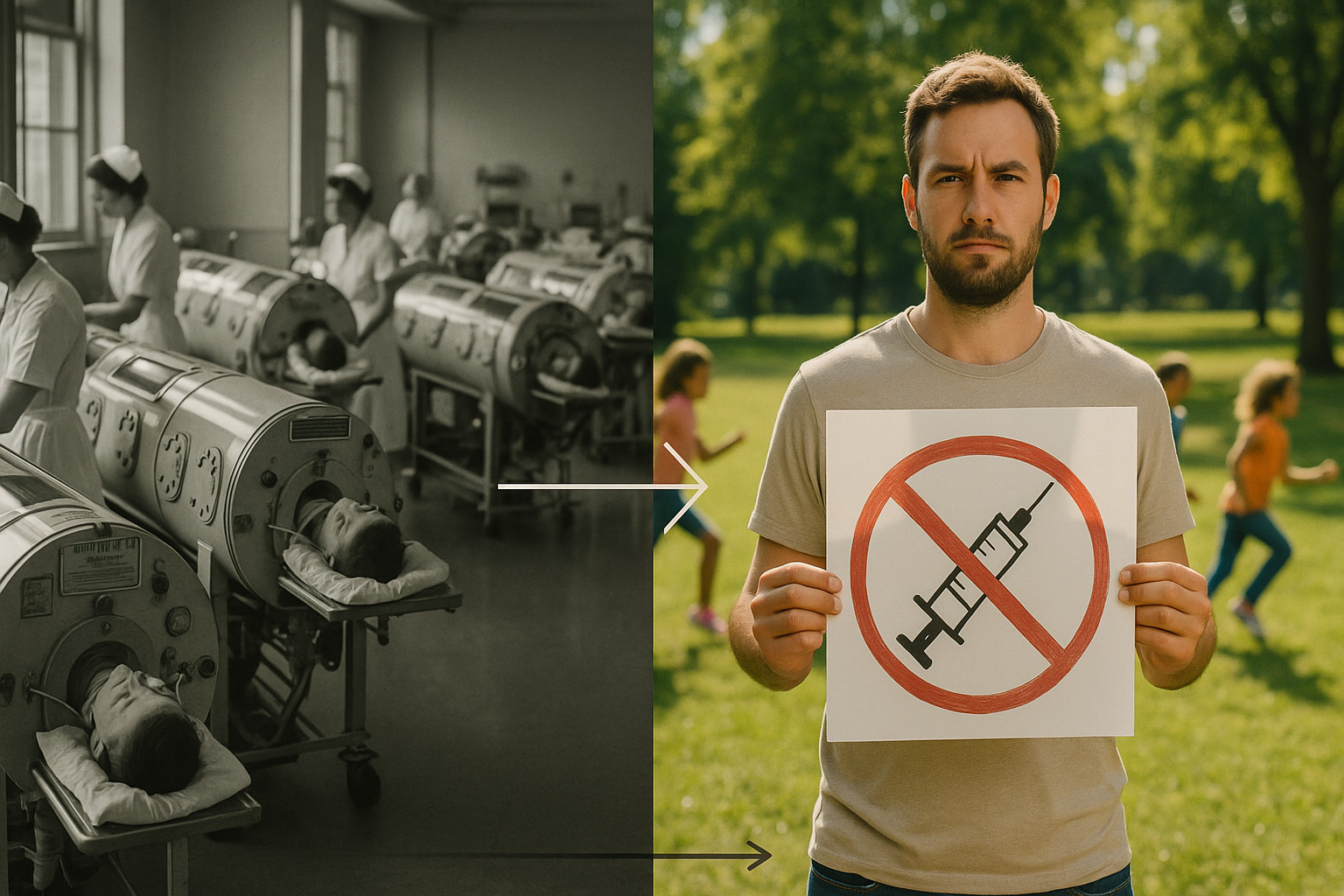
Why Millions Reject Vaccination Despite One of Medicine's Greatest Success Stories
Smallpox killed roughly 300 million people in the twentieth century alone, and then we erased it from the earth entirely. Polio once paralyzed tens of thousands of children every...















 Ever since I was a child, I chased the sun. I was ecstatic in the summer and miserable in the winter. My parents would have to chase after me to wear a hat and long sleeves because I wouldn’t think about sunburns or skin cancer at all, all I could think about was JOY.
 The launch of augmented reality game Pokémon Go has been a resounding success for Nintendo and app developer Niantic. Reports suggest it to be the most
 For those of us that partake, drinking alcohol is often seen as a balancing act that weighs up the pleasures of drinking against the pains. Government regulation is often seen the same way, weighing the benefits of pleasure and freedom of the individual on one hand against the cost of crime and health harms on the other
 When confronted by life, we are each bound within the scope and the limits of the perspectives we have adopted and nurtured over our lives.
 Asthma patients who live near major Pennsylvania fracking sites are as much as four times more likely to suffer attacks than those farther away, a new study shows.
 A recent article in The Guardian said coffee stunting kids' growth is just a myth promoted by 19th-century manufacturers of a coffee substitute. So does this mean the long-thought wisdom that coffee is bad for kids is a lie?
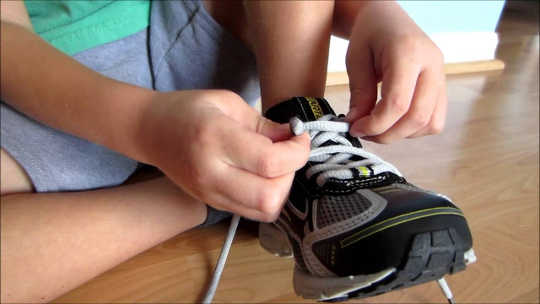 When children learn how to tie their shoelaces, they do so in discrete steps—making a loop or tugging at the lace. After enough repetition, our brain turns these steps into “chunks.”
 Most of us know eating fruit daily is a great way to try to stay healthy, with the Australian Guide to Healthy Eating encouraging us to eat two serves a day.
  Over the last century, myopia (short-sightedness) has risen to epidemic proportions. In South-East Asia nearly 90% of school leavers are now affected. In the West the figures are not as dramatic, but it appears to be similarly increasing.
 A study of 12,000 people found that those who started eating more fruits and vegetables felt much happier.
 It is one of the distinct sounds of summer: the noise of people tapping the tops of their cans of fizzy drink before opening them. But does this widespread ritual really stop a can of beer or pop from gushing over?
 Since its public launch 10 years ago, Twitter has been used as a social networking platform among friends, an instant messaging service for smartphone users and a promotional tool for corporations and politicians.
 The most exciting recent development in human genetics research has been the ability to perform large-scale systematic studies of genetic variation in thousands of people.
 I had better confess straight away: I love reading historical fiction. So much so that I actually recommend to my Renaissance students that they read it too. Putting fictional flesh on historical bones can teach us a lot – about storytelling and, yes, also about history.
 The ideas below are from the Great Neighborhood Book, a collaboration between OTC Senior Fellow Jay Walljasper and Project for Public Spaces. Walljasper is a Minneapolis-based speaker and consultant about how to strengthen communities.
 What you say when a doctor asks how you feel is as good—or perhaps even better—than any test to predict long-term illness or death.
 The one fact about plants that most people probably remember from school is that they use sunlight to make their own food. That process, photosynthesis, means that plants are dependent on sunlight.
 Being overweight and not getting enough exercise are considered major contributors to insulin resistance and, ultimately, type 2 diabetes. But new research suggests specific imbalances in gut bacteria play a role, too
 Our facial appearance influences how we feel about ourselves – and other people’s faces influence who we choose to approach or avoid and who we’d like to form romantic relationships with.
 Child abuse and neglect are, sadly, more common than you might think. According to a 2011 study in JAMA Pediatrics, more than five million U.S. children experienced confirmed cases of maltreatment between 2004 and 2011. The effects of abuse can linger beyond childhood – and migraine headaches might be one of them.






