
Health & Wellness
Why Millions Reject Vaccination Despite One of Medicine's Greatest Success Stories
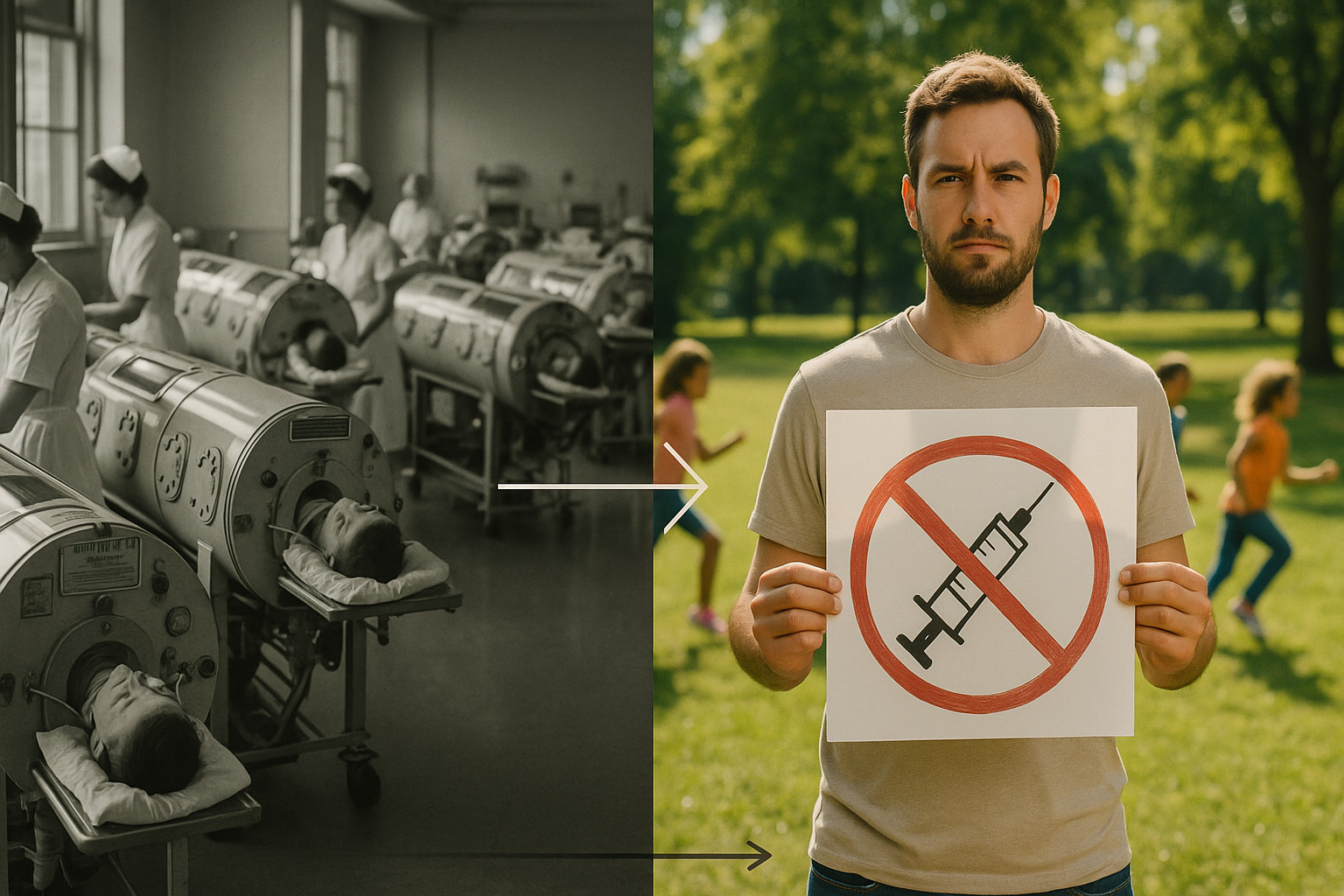
Smallpox killed roughly 300 million people in the twentieth century alone, and then we erased it from the earth entirely. Polio once paralyzed tens of thousands of children every...















 We live, we are so often told, in an information age. It is an era obsessed with space, time and speed, in which social media inculcates virtual lives that run parallel to our “real” lives and in which communications technologies collapse distances around the globe.
 Fentanyl, a synthetic opioid narcotic about 100 times as potent as morphine, continues to be in the news, as deaths from fentanyl overdose continue to rise and even more potent nonpharmaceutical forms become available on the street.
 The World Health Organisation’s cancer arm made two announcements this week: one welcome and one not so welcome.
 A few years ago, I gave conferences in Montreal regarding the healing properties of natural spring water. I was fascinated by the reports of people drinking natural spring water and stating that many of their illnesses vanished or greatly improved just by drinking such water.
 Mobile phone data may reveal an underlying mathematical connection between how we move and how we communicate. This could make it easier to predict how diseases—and even ideas—spread through a population.
 With an estimated 100,000 health and fitness apps available on the two leading smartphone platforms, iOS and Android, it seems there is an app for everything – from tracking your bowel movements, to practising your pimple-popping technique.
 It’s easy to explain the appeal of drugs like heroin and cocaine, which directly stimulate the brain’s reward centres. What’s less easy to explain is the appeal of psychedelic drugs such as LSD and psilocybin that produce altered states of consciousness.
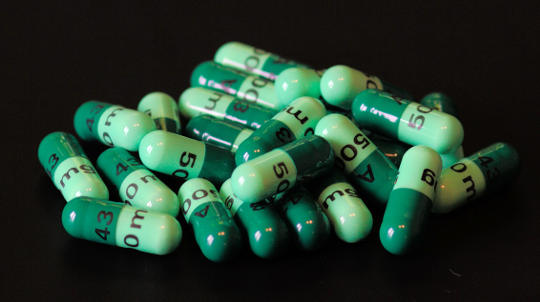 A golden era of antibiotics shifted the leading causes of death away from infection to cancer and cardiovascular disease. At the moment, we can still treat most infections as only a few are resistant to what is currently the last line of antibiotics – the colistins.
  Everyone knows that Britain’s conclusive victory over Napoleon was at Waterloo. The story of that day – the squares of infantry repulsing cavalry charges, the Imperial Guard retreating under murderous musket fire delivered by a red line of soliders, the just-in-time arrival of Field Marshal Blücher’s Prussian army – is one of excitement, horror and heroism.
 We know so much about the genes that cause disease, so why are we not approaching an age of Star-Trek-like medicine in which a doctor can wave a handheld device over a patient, claim to have sequenced the genes of the offending pathogen, then move rapidly to a cure?
 Last week, the National Obesity Forum caused a furore by claiming that eating fat, including saturated fat, will help cut rates of obesity and type 2 diabetes. Public Health England hit back, calling NOF’s advice “irresponsible”.
 Marisa Fisher's research suggests people with Williams syndrome can learn to say no to strangers, refuting past studies that indicated sociability may be hard-wired in individuals with Williams syndrome.
 Alcohol: why do we drink it? People have been consuming alcohol for at least 10,000 years. And when drinking water was rather risky, alcohol seemed
  "As doctors, we throw things like antihistamines, ointments, and lotions at patients who suffer chronic itching, but if there is something profoundly abnormal about the immune system—as it appears there is—then we can't solve the itching until we address those underlying causes," says Brian S. Kim.
 Have you ever been listening to a great piece of music and felt a chill run up your spine? Or goosebumps tickle your arms and shoulders?
 In the past week you’ve probably eaten crops that wouldn’t exist in nature, or that have evolved extra genes to reach freakish sizes. You’ve probably eaten “cloned” food and you may have even eaten plants whose ancestors were once deliberately blasted with radiation. And you could have bought all this without leaving the “organic” section of your local supermarket.
 Despite massive government, medical and individual efforts to win the war on obesity, 71 percent of Americans are overweight. The average adult is 24 pounds heavier today than in 1960. Our growing girth adds some US$200 billion per year to our health care expenditure, amounting to a severe health crisis.
 More than half of jobs are found with the help of a social tie, whether a friend, relative or distant acquaintance. For example, a friend may tell you about a job opening at her firm or a parent may offer you an internship at his company.
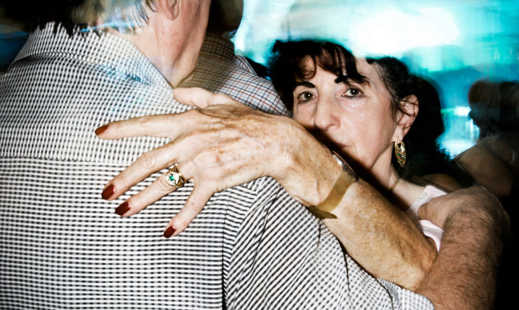 "Conflict happens in every marriage, but people deal with it in different ways. Some of us explode with anger; some of us shut down," says Claudia Haase. "Our study shows that these different emotional behaviors can predict the development of different health problems in the long run."
 The researchers examined the productivity differences between two groups of call center employees over the course of six months and found that those with stand-capable workstations—those in which the worker could raise or lower the desk to stand or sit as they wished throughout the day—were about 46 percent more productive than those with regular desks and chairs.






