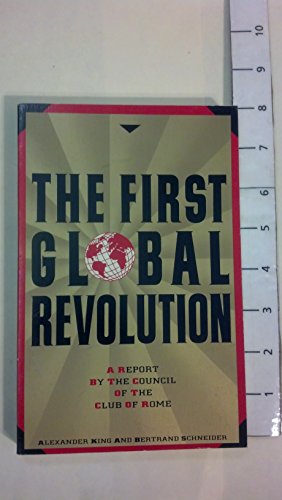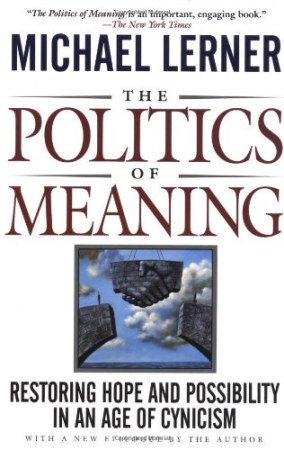
















Discover a groundbreaking analysis of humanity's most pressing challenges and the fundamental shifts in consciousness required to address them. This visionary work examines the interconnected crises facing our world and proposes that our survival depends not merely on technological solutions or policy adjustments, but on a profound transformation in how we understand ourselves and our relationship to the global community.
The central thesis presented here challenges conventional thinking about problem-solving at the planetary level. Rather than viewing the world's problems as separate issues requiring isolated fixes, this exploration reveals how our greatest challenges are deeply interconnected, stemming from deeper sources rooted in human perception, values, and consciousness itself. The work invites readers to consider whether our current frameworks for understanding politics, economics, and social organization are adequate for the complexity of the modern world.
Throughout this examination, you'll encounter a sophisticated analysis of how we arrived at our current global predicament. The narrative traces the evolution of human systems and ideologies, revealing how solutions that worked in previous eras have become increasingly problematic in an interconnected world. This historical perspective provides essential context for understanding why conventional approaches to governance and international relations may be insufficient for addressing contemporary challenges.
One of the most valuable aspects of this work is its exploration of the relationship between individual consciousness and global outcomes. Rather than suggesting that ordinary people are powerless victims of impersonal forces, the analysis proposes that shifts in collective human awareness can lead to meaningful transformation. This perspective is particularly empowering for readers seeking to understand how personal growth and spiritual development connect to broader social and political change.
The work addresses critical questions that should concern anyone interested in the future of civilization. What are the hidden assumptions underlying our political systems? How have historical patterns of thinking created our current circumstances? What new ways of perceiving and organizing ourselves might lead to more sustainable and equitable solutions? These questions invite deep reflection and encourage readers to examine their own beliefs about what is possible in the political and social sphere.
Readers will gain insight into how various global crises, from environmental degradation to political instability, are symptoms of deeper imbalances in human society. The analysis suggests that unless we address the root causes, which involve fundamental questions about our values, our relationship with nature, and our understanding of human purpose, we will continue managing symptoms while the underlying conditions worsen.
What makes this exploration particularly valuable for readers interested in personal growth and social consciousness is its argument that individual transformation and collective evolution are intimately connected. As people develop greater awareness and more compassionate perspectives, these shifts naturally influence how they participate in social and political structures. This creates the possibility for genuine transformation from within human systems rather than through imposed external change.
The work also provides a framework for understanding resistance to necessary changes. It explores why institutions and people often cling to outdated paradigms even when evidence suggests new approaches are needed. Understanding these psychological and social mechanisms can help readers navigate their own resistance to change and that of others in their communities and institutions.
For anyone seeking to understand the deeper dimensions of contemporary political challenges, this exploration offers both analysis and hope. It presents a vision in which human beings, through conscious evolution and expanded awareness, can create new solutions to seemingly intractable problems. Rather than promoting despair about global conditions, it suggests that we possess untapped potential for creating a world that works for everyone.
This perspective is particularly relevant for readers who recognize that traditional political solutions have not fully solved our most serious problems and believe that transformation must involve shifts in human consciousness alongside structural changes.