
















# How Psychedelics Are Reshaping Our Understanding of Consciousness and Mental Wellbeing
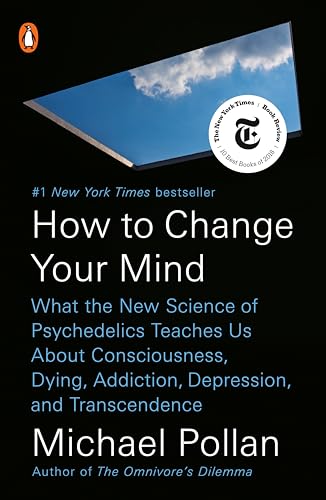
Discover how ancient plant medicines and modern neuroscience are converging to revolutionize our understanding of the mind's capacity for healing and transformation. This groundbreaking exploration examines the scientific research, personal accounts, and philosophical implications of psychedelic substances in therapeutic contexts, offering readers a comprehensive journey through one of the most profound paradigm shifts in contemporary psychology.
For decades, psychedelic compounds were relegated to the shadows of popular culture, dismissed as dangerous recreational drugs with no legitimate scientific value. Yet beneath this cultural narrative lies a more nuanced and extraordinary story. Beginning in the 1950s and continuing through the present day, rigorous scientific investigations have revealed that these substances possess remarkable therapeutic potential for addressing some of our most intractable mental health challenges, including depression, anxiety, addiction, and end-of-life distress. This account presents the evidence, the research, and the implications that are fundamentally changing how we think about consciousness, healing, and human potential.
Readers will journey through the fascinating history of psychedelic research, from the early experiments at institutions like Johns Hopkins University and New York University to the cutting-edge studies being conducted today. You'll learn about the neurochemical mechanisms through which these substances work, discovering how they can facilitate new neural connections and patterns of thinking that conventional therapies sometimes cannot achieve. The exploration includes detailed accounts of therapeutic sessions where individuals with treatment-resistant depression, terminal cancer diagnoses, and severe anxiety have experienced profound healing and psychological transformation.
What makes this investigation particularly compelling is its grounding in rigorous science combined with deeply human narratives. Rather than presenting psychedelics as a panacea or promoting their casual use, the material examines them as serious therapeutic tools that operate within specific contexts and frameworks. Readers learn about the importance of set and setting—the mindset with which one approaches the experience and the physical and emotional environment in which it occurs. These factors prove as crucial as the substances themselves in determining whether an experience becomes healing or potentially harmful.
The exploration extends beyond symptom reduction to address fundamental questions about human consciousness and well-being. How do these experiences reshape our sense of self and our relationship to existence? What accounts for the spiritual insights and feelings of connection that many report? How might our understanding of consciousness itself change as we integrate these findings into mainstream science and medicine? These questions resonate with anyone seeking deeper understanding of their own mind and the nature of human experience.
Particularly relevant for readers interested in personal growth and transformation is the examination of how psychedelic experiences can catalyze lasting changes in perception, values, and behavior. Many individuals report increased openness, greater compassion, reduced fear of death, and a more profound sense of interconnection with others and nature. These changes often persist long after the acute effects of the substances have worn off, suggesting that the value lies not merely in the immediate experience but in how it reshapes one's fundamental approach to life.
The material also addresses important ethical, legal, and practical considerations. What safeguards are necessary? Who might benefit most from these therapeutic approaches? How can interested individuals responsibly engage with this emerging field? These questions matter for anyone considering their own journey toward healing or for those simply seeking to understand this significant development in psychology and medicine.
This comprehensive investigation matters because it challenges us to expand our understanding of healing possibilities and human potential. It presents evidence-based alternatives to our current approaches to mental health, suggesting that sometimes the most profound transformations come not from managing symptoms but from fundamentally shifting how we perceive ourselves and reality. For anyone interested in psychology, spirituality, consciousness, or the intersection of science and human flourishing, this exploration offers essential insights into where medicine and our understanding of the human mind are heading.
Read more ▼