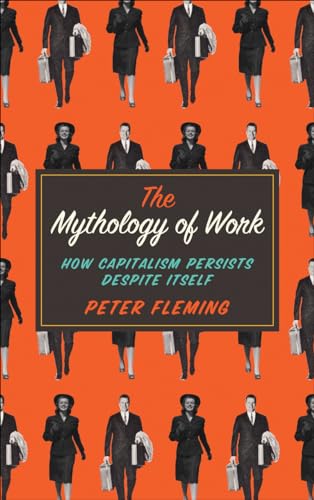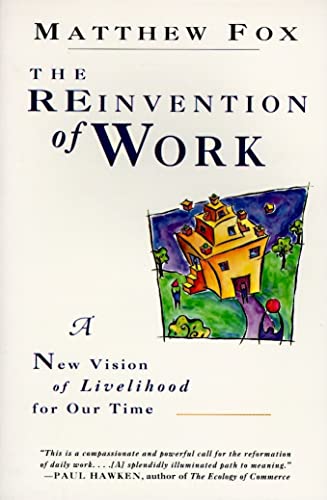






In contemporary society, we are told a seductive story: that our careers define us, that constant productivity equals worth, and that success in the workplace is the ultimate measure of a meaningful life. Yet beneath this dominant narrative lies a troubling mythology that shapes how we think, feel, and spend our precious time on Earth. This exploration invites readers to examine the hidden beliefs that govern our relationship with work and to question whether the stories we've inherited about labor, ambition, and professional identity truly serve our highest good.
The central insight of this examination is radical and liberating: much of what we believe about work is mythology rather than truth. We operate within narratives that have been constructed by economic systems, cultural traditions, and social pressures, yet we experience them as natural and inevitable facts of life. By recognizing these narratives as myths rather than immutable realities, we gain the power to reimagine our relationship with labor and to craft lives more aligned with our authentic values.
Throughout this work, readers will encounter a penetrating critique of how capitalism has colonized not just our time but our very sense of self. The mythology presents work as a path to fulfillment, self-actualization, and spiritual transcendence. We're encouraged to find our "passion," to pursue careers that align with our purpose, and to believe that through professional achievement, we'll discover who we truly are. Yet this mythology obscures a darker reality: that work under contemporary conditions often serves to alienate us from ourselves, from meaningful human connection, and from genuine purpose.
One of the most valuable elements of this investigation is its examination of how the promise of meaningful work functions as a form of control. When employers ask workers to be "authentic," to bring their "whole selves" to their jobs, and to find personal meaning in their labor, something insidious occurs. The boundary between our inner lives and our economic productivity dissolves. We internalize corporate values, accept lower wages for the promise of doing work we "love," and blame ourselves when careers fail to deliver the existential satisfaction they promised. Understanding this dynamic is crucial for anyone seeking to live in harmony with their true nature rather than the demands of an economic system.
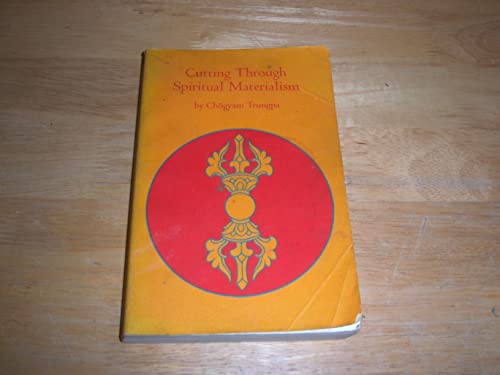
The text also explores how the mythology of work intersects with spirituality and self-help culture. The modern notion that work can be transformative, that it can serve as a path to enlightenment or self-discovery, is itself a relatively recent invention. This spiritual colonization of work—where meditation, mindfulness, and wellness programs are deployed to make us better, more productive workers—reveals how even our deepest desires for growth and transformation have been co-opted. Readers will gain crucial insight into how to reclaim their spiritual aspirations from the machinery of workplace productivity.
For those seeking to live in harmony with themselves and their values, this investigation offers essential tools for deprogramming. It teaches how to recognize the mythology when you encounter it, how to resist its subtle pulls, and most importantly, how to imagine alternatives. Rather than offering utopian solutions, this work encourages critical thinking and honest examination of your own relationship with work.
The deeper gift lies in understanding that questioning these mythologies isn't nihilistic or defeatist—it's liberating. By recognizing that the stories we've been told about work are constructed rather than inevitable, we reclaim agency. We can choose differently. We can create space for rest, for relationships, for creative expression that serves no economic purpose. We can pursue work that is simply work—honest labor that pays fairly—without expecting it to complete us or define our existence.
Ultimately, this penetrating analysis serves those on genuine spiritual paths who recognize that authentic transformation requires questioning the systems and narratives that shape our daily lives. True harmony comes not from finding perfect work but from understanding how mythology has limited our possibilities and from courageously imagining different ways of living.