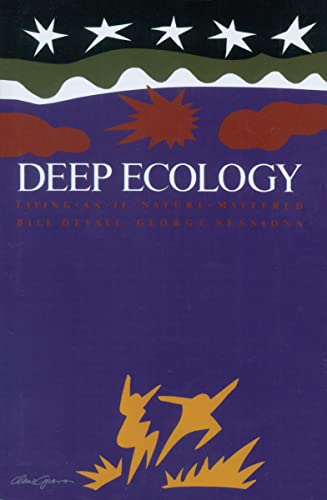












Deep within the environmental movement lies a question that rarely gets asked: What does it truly mean to live in harmony with nature? Not as a set of practical guidelines or policy recommendations, but as a fundamental shift in how we understand our place in the web of life. This exploration ventures far beyond conventional environmentalism to examine the philosophical and spiritual foundations of our relationship with the natural world, challenging readers to consider whether humanity's current path represents a departure from authentic existence itself.
The core insight that readers will encounter is that our ecological crisis is fundamentally a crisis of consciousness. The degradation of forests, the extinction of species, the poisoning of waters—these are not separate problems requiring separate solutions. Instead, they are symptoms of a deeper malaise: a worldview that separates humans from nature, that views the earth as a resource to be exploited rather than a living community of which we are but one part. This perspective invites a radical reevaluation of the assumptions underlying modern industrial civilization and opens pathways toward a more meaningful way of being.
Readers seeking personal transformation will discover that reconnecting with nature is not merely an environmental imperative but a spiritual necessity. The exploration takes readers through the philosophical traditions and contemporary thinking that support a more integrated view of existence. By examining how different cultures and belief systems have understood humanity's role within the natural order, the narrative demonstrates that sustainable living and spiritual fulfillment are intertwined rather than opposed. This integration offers liberation from the fragmentation that characterizes modern consciousness, where career, family, spirituality, and environmental ethics often feel compartmentalized and in conflict.
The practical implications of adopting this perspective are profound. Readers will contemplate how their daily choices—from consumption patterns to career decisions to how they spend their time—might align with a commitment to ecological integrity. Rather than prescribing specific behaviors, the work encourages a shift in values that naturally leads to more conscious action. When one truly grasps that personal well-being is inseparable from the health of ecosystems, the motivation for change emerges from within rather than from guilt or external pressure. This internal transformation proves far more sustaining than rule-based environmentalism.
For those interested in social consciousness, the material addresses how individual transformation inevitably leads to broader social and political implications. Living as if nature mattered cannot be a purely personal practice; it necessarily challenges the institutions, economic systems, and cultural narratives that drive ecological destruction. Readers will find themselves questioning not just their personal habits but the very foundations of contemporary society, from capitalism's growth imperative to technology's promises of solving problems it helped create.
The historical and intellectual context provided enriches understanding of how humanity arrived at its current relationship with the natural world. Rather than condemning civilization outright, the exploration traces the philosophical roots of our separation from nature and shows how alternative perspectives have existed throughout history and across cultures. This perspective prevents the sense of hopelessness that can accompany environmental awareness and instead points toward wisdom traditions and contemporary insights that offer genuine alternatives.
What makes this exploration particularly valuable for those on a personal growth journey is its rejection of false solutions and superficial environmentalism. It cuts through the greenwashing and shallow ecology that often characterizes mainstream environmental discourse, offering instead a call to genuine transformation. Readers are invited not to feel better about themselves through token gestures but to undertake a more fundamental examination of their values and choices.
This work ultimately serves as both mirror and map. It reflects back to readers the assumptions embedded in modern life, while simultaneously pointing toward pathways of greater authenticity, meaning, and genuine sustainability. For those ready to align their lives with ecological reality rather than industrial fantasy, this represents an essential resource for understanding what true transformation might entail.