














Happiness & Success
Achieving Happiness Through Acceptance of Life
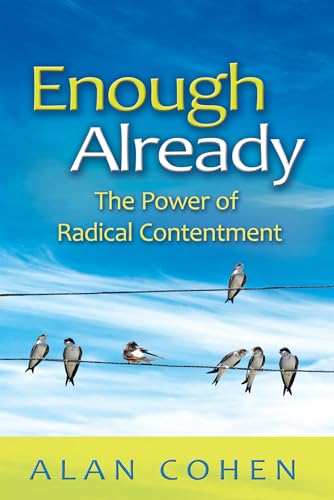
The quest for happiness often leads to frustration, as many fail to realize that the...


The human psyche carries profound wisdom about power, governance, and social organization within its very structure. By understanding the energetic architecture of consciousness through the lens of the chakra system, we gain revolutionary insights into how individuals and societies function, struggle, and transform. This groundbreaking synthesis of Eastern spiritual philosophy and Western psychological theory offers a powerful framework for understanding not just personal development, but the collective dynamics that shape our political realities.
At the foundation of human experience lies our relationship with the earth, resources, and physical security. When examining political systems through this energetic lens, we discover that societies struggling with first chakra imbalances manifest chronic problems with resource distribution, economic inequality, and basic survival needs. Understanding these foundational energetic patterns illuminates why certain populations feel perpetually insecure, how fear becomes a tool of political manipulation, and why addressing material needs must precede higher aspirations in social development.
Moving upward through the energetic system, we encounter the dynamics of emotion, pleasure, and interpersonal connection. Political systems reflect these energies through their handling of sexuality, creativity, and the balance between control and freedom. Societies that suppress second chakra expression often exhibit authoritarian tendencies, rigid moral codes, and fear of change. Recognizing these patterns helps activists and change agents understand resistance to progressive policies and the psychological roots of cultural conservatism.
Read more ▼
Matthew C. Klein, Michael Pettis

Lisa Garr

Political Protest and Cultural Revolution
Barbara Epstein
Dave Lowry
The quest for happiness often leads to frustration, as many fail to realize that the...

Reaching sixty can evoke complex emotions, blending relief with ongoing ambition. This...

The quest for life's purpose often leads to unsatisfactory answers. This article...

Romantic love is a complex emotion shaped by historical, cultural, and biological...

Imagine going through one of the most physically and emotionally demanding experiences...

Have you ever argued over something that wasn't actually said? From cultural differences...

Daily actions often conflict with personal beliefs due to past experiences. By utilizing...

Therapists often use dream interpretation to delve into patients' emotions, but true...