













Happiness & Success
Achieving Happiness Through Acceptance of Life
The quest for happiness often leads to frustration, as many fail to realize that the...

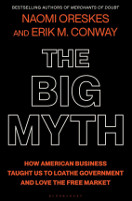
For decades, Americans have been told that free markets solve all problems, that government intervention stifles prosperity, and that individual freedom depends entirely on unfettered capitalism. These ideas shape not just economic policy but personal beliefs about self-reliance, success, and even morality. Yet few people understand where these convictions originated or recognize them as part of a carefully constructed narrative rather than natural economic law.
This meticulously researched work reveals how a coordinated campaign spanning nearly a century systematically promoted an extreme version of market fundamentalism throughout American society. What emerges is a stunning chronicle of how powerful corporate interests, working alongside sympathetic academics and media figures, manufactured a mythology that equated capitalism with freedom, Christianity, and American identity itself. Understanding this history offers profound implications for personal empowerment because it exposes how our deepest beliefs about individual agency and success have been deliberately shaped by forces with specific agendas.
The narrative traces back to the 1930s and 1940s, when business leaders grew alarmed by New Deal reforms and the growing acceptance of government's role in protecting citizens from market failures. Rather than engage in straightforward political debate, they developed a long-term strategy to change hearts and minds by infiltrating education, entertainment, religion, and popular culture. They funded academic programs, created think tanks, produced films and comic books, and enlisted clergy to preach that unregulated markets represented divine will.
Read more ▼
Nik Douglas, Penny Slinger
Mark A. Burch
Master Charles Cannon
Chade-Meng Tan
The quest for happiness often leads to frustration, as many fail to realize that the...

Reaching sixty can evoke complex emotions, blending relief with ongoing ambition. This...

The quest for life's purpose often leads to unsatisfactory answers. This article...

Imagine going through one of the most physically and emotionally demanding experiences...

Romantic love is a complex emotion shaped by historical, cultural, and biological...

Daily actions often conflict with personal beliefs due to past experiences. By utilizing...

Have you ever argued over something that wasn't actually said? From cultural differences...

Therapists often use dream interpretation to delve into patients' emotions, but true...